
Questo articolo è disponibile anche in Italiano
Hey folks! Welcome back to another appointment with My Travel Diary Chronicles. Thank you so much, as always, for spending some time reading my articles. Or, like in this case, to read Tamara‘s diary through amazing adventures in wonderful places around the globe.
After a little break talking about an Italian gem, it’s again time to fly to the other side of the world and start a new series. The location is the beautiful Peru, with its mountains, colors and culture.
Grab a coffee, take a breath and enjoy!
The first thing I see in the morning is not Huaraz.
It is Huascarán.
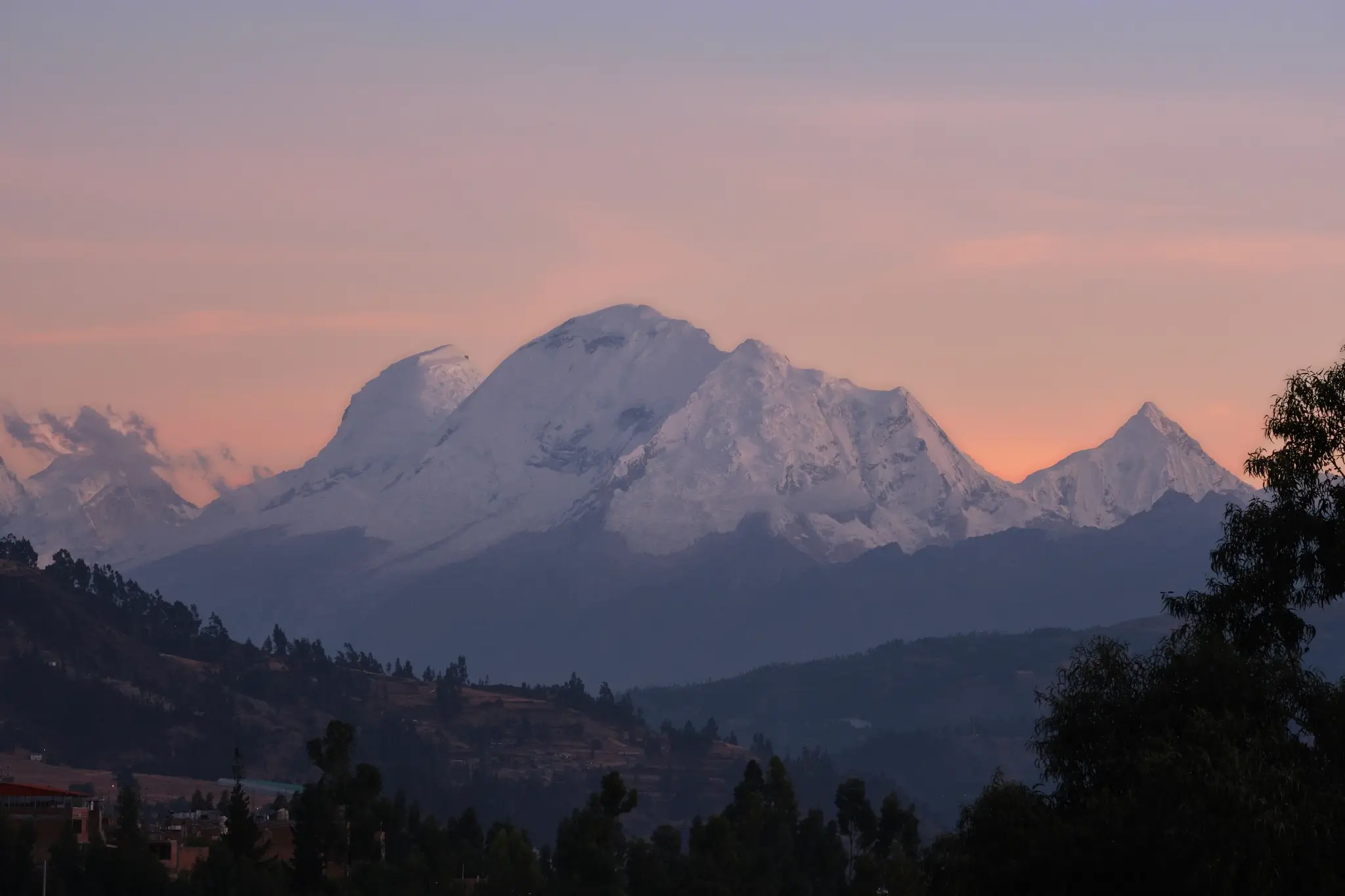
From the terrace of the Maimara Hotel, the mountain commands the horizon, its presence needing no introduction. It is white, immense, motionless. At 6,768 meters, it is the highest peak in Peru, yet before that vast mass, the number seems almost meaningless.
The yellow of pineapple and the orange of papaya, the sweetness of strawberries, the warmth of eggs. And beyond the table, a wall of snow so imposing that it finds its way into the very taste of breakfast.
One impression: sweet and tart, intimate and immeasurable.
Jaime, the hotel owner, breaks my spell of wonder.
“It’s monstrous,” he says.
Huascarán inhabits his mornings as he prepares food for his guests; it accompanies those who live in these valleys, looming over the restless bustle of the city at its feet.
Daylight breaks into the roar of engines. Colourful mototaxis1 dart out of side streets, cross paths, overtake one another and weave acrobatically through gaps that seem far too narrow. Their rumble mingles with blaring horns, voices and the hum of activity as the city comes to life.
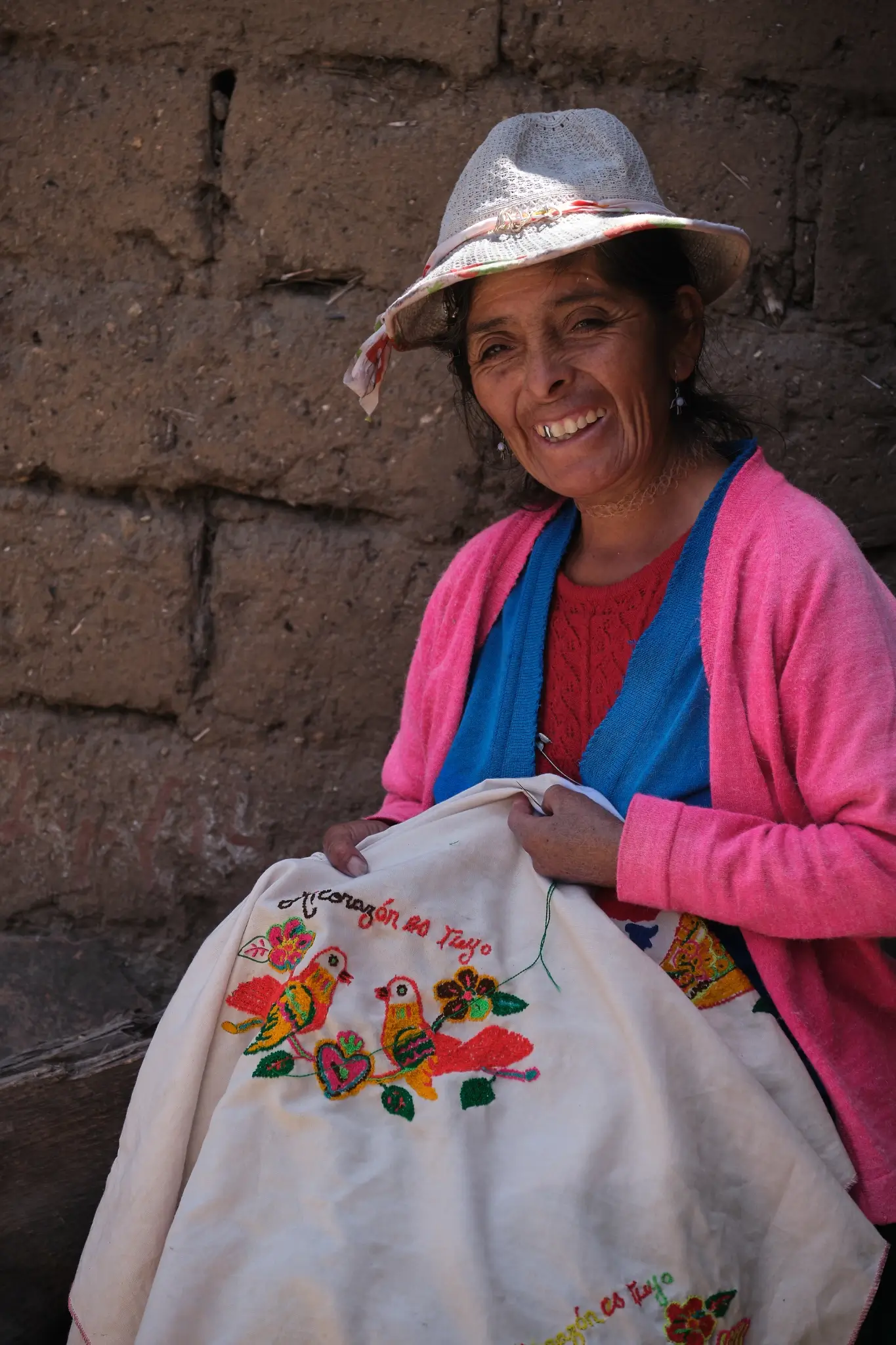
I walk among women wrapped in the colours of the Andes. Their polleras2 sway with each step, dark braids fall over their shoulders, and llicllas3 are wrapped tightly around their bodies. Traditional hats frame their faces, with stiff brims and rounded crowns.
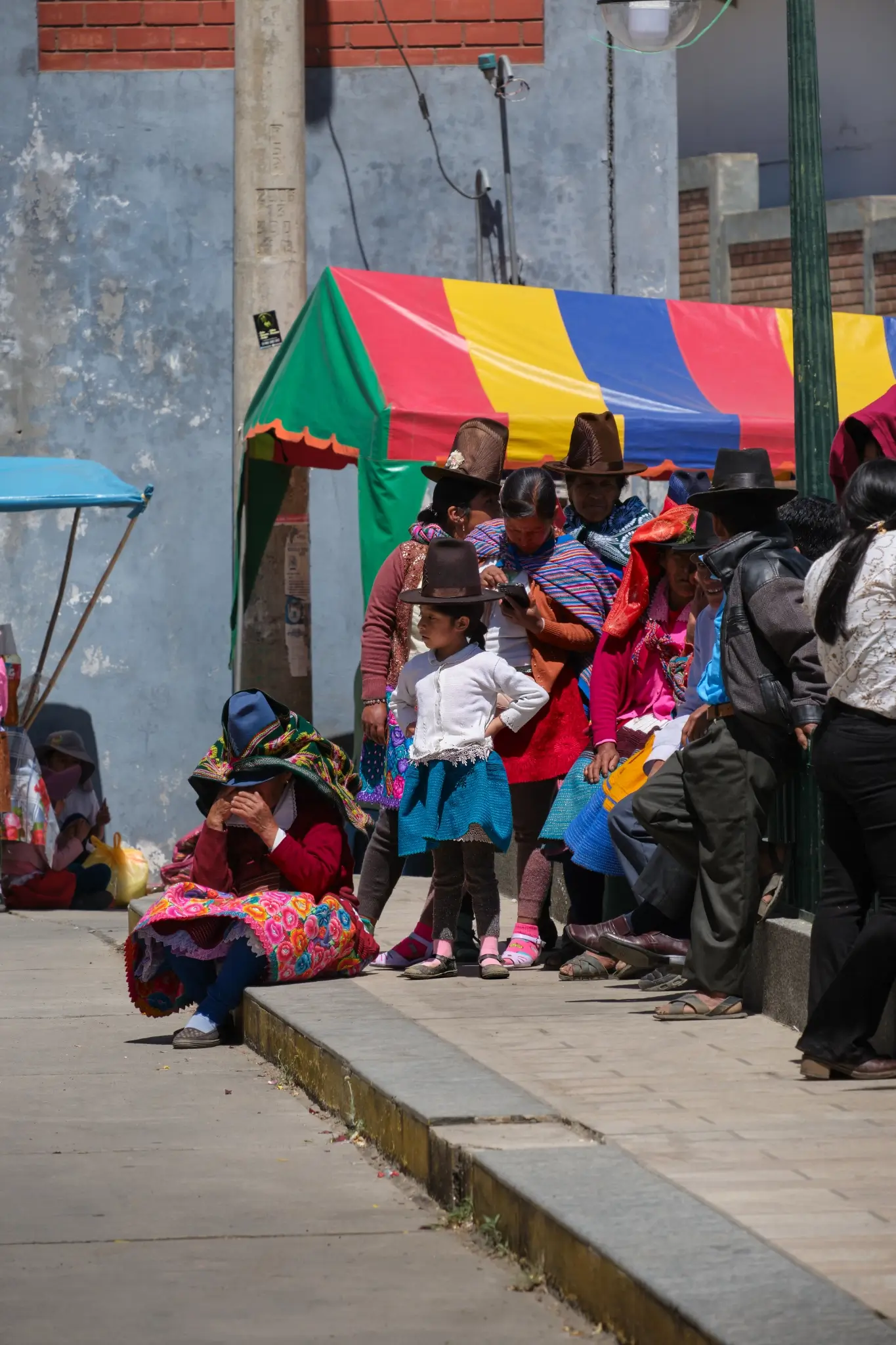
Hands choosing, weighing, offering. People buying, selling, carrying, waiting.
Baskets brimming with fruit spill yellow, orange, green and purple into my eyes. Then, red. The glossy red of strawberries gathered in the lliclla of a woman crouched on the pavement. They look freshly picked, still fresh from the fields. I stop. I buy a bag.
A little farther on, the delicacy of rose petals coexists with the rawness of plucked chickens and cuts of meat displayed on the stalls.
I cross the intersection, narrowly avoiding the traffic, and brush past an improvised enclosure. Inside, the cuyes4 move restlessly, small bodies chasing and tumbling over one another, jostled by the commotion around them.
Huaraz swirls around me in a tumult of vivid colours.
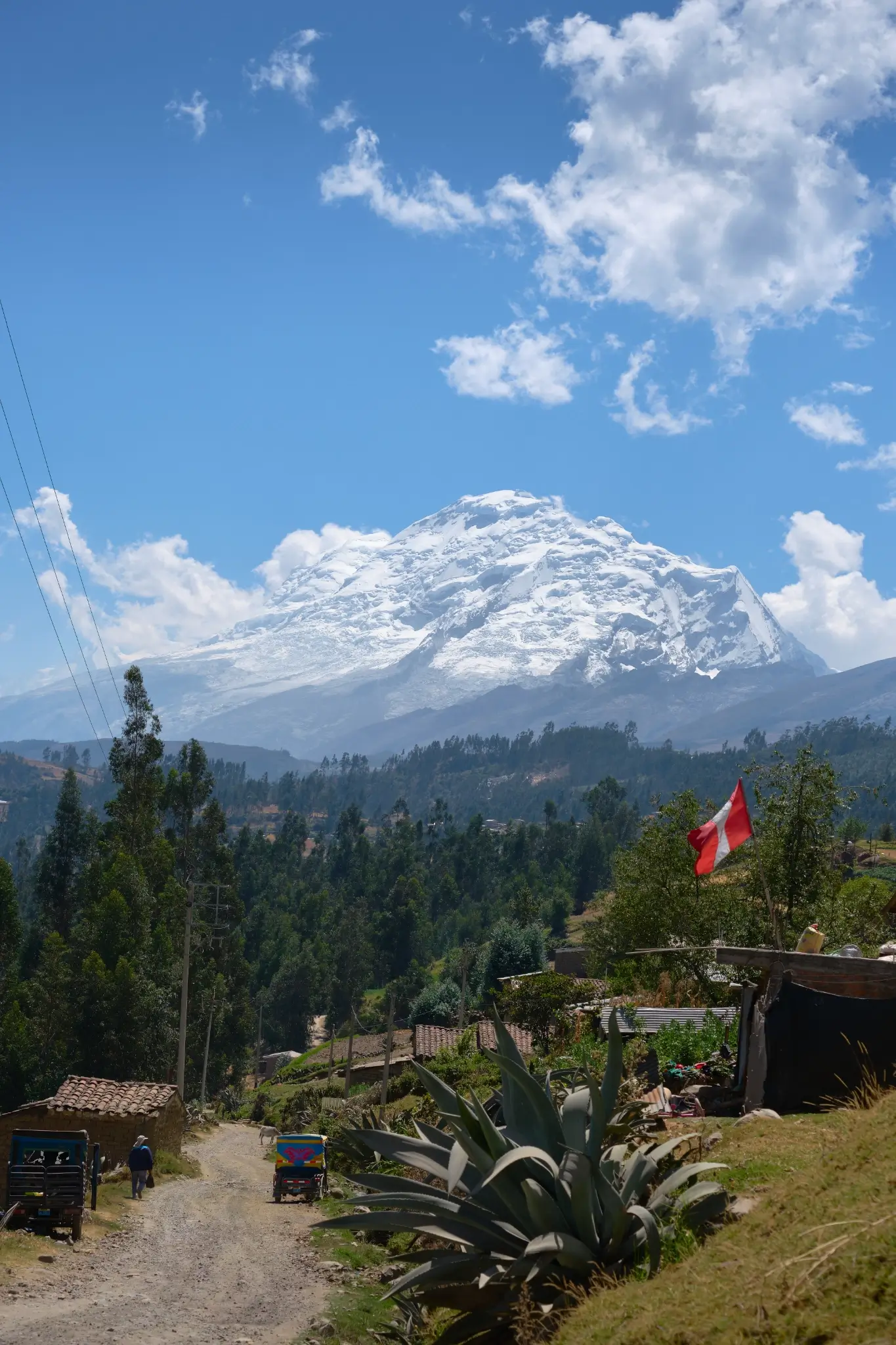
In the background, the dazzling white of the Cordillera Blanca towers over the bustle. Its presence looms from shop windows, photographs of towering peaks, coils of rope, ice axes and technical jackets. Along the streets, the mountain scatters signs of what awaits me: ascending trails, rock, cold and ice.
The same ice that descends from the high altitudes into the valley and reappears in Plaza de Armas. A vendor shaves it into fine flakes to make raspadilla5, sweetening it with fruit syrups.
The chill slowly melts between my hands, outside the entrance to the Museo Arqueológico de Áncash «Augusto Soriano Infante».
Ceramics, textiles, artefacts.
Traces of cultures that inhabited this region long before the Incas.
In the nearby Parque Lítico, monoliths and sculptures seem to rise from the earth, as though the past had never truly ceased to belong to the present.
It is my first encounter with a Peru older than the one I came in search of on the trails.
But there is a story that no museum case can contain.
It is written in the fields, among the rows of potato plants.
The story of the Vicos community.
Faces furrowed by hardship, hands damp with mud, fingernails black with soil. Backs bent from dawn, driving hoes into land they could not call their own.
Serfs bound to the hacienda6 and its master. Labour was imposed, freedom denied. They cultivated the land to obey and survive, their bellies hollow with hunger, their strength so depleted that they could no longer even imagine a different future.
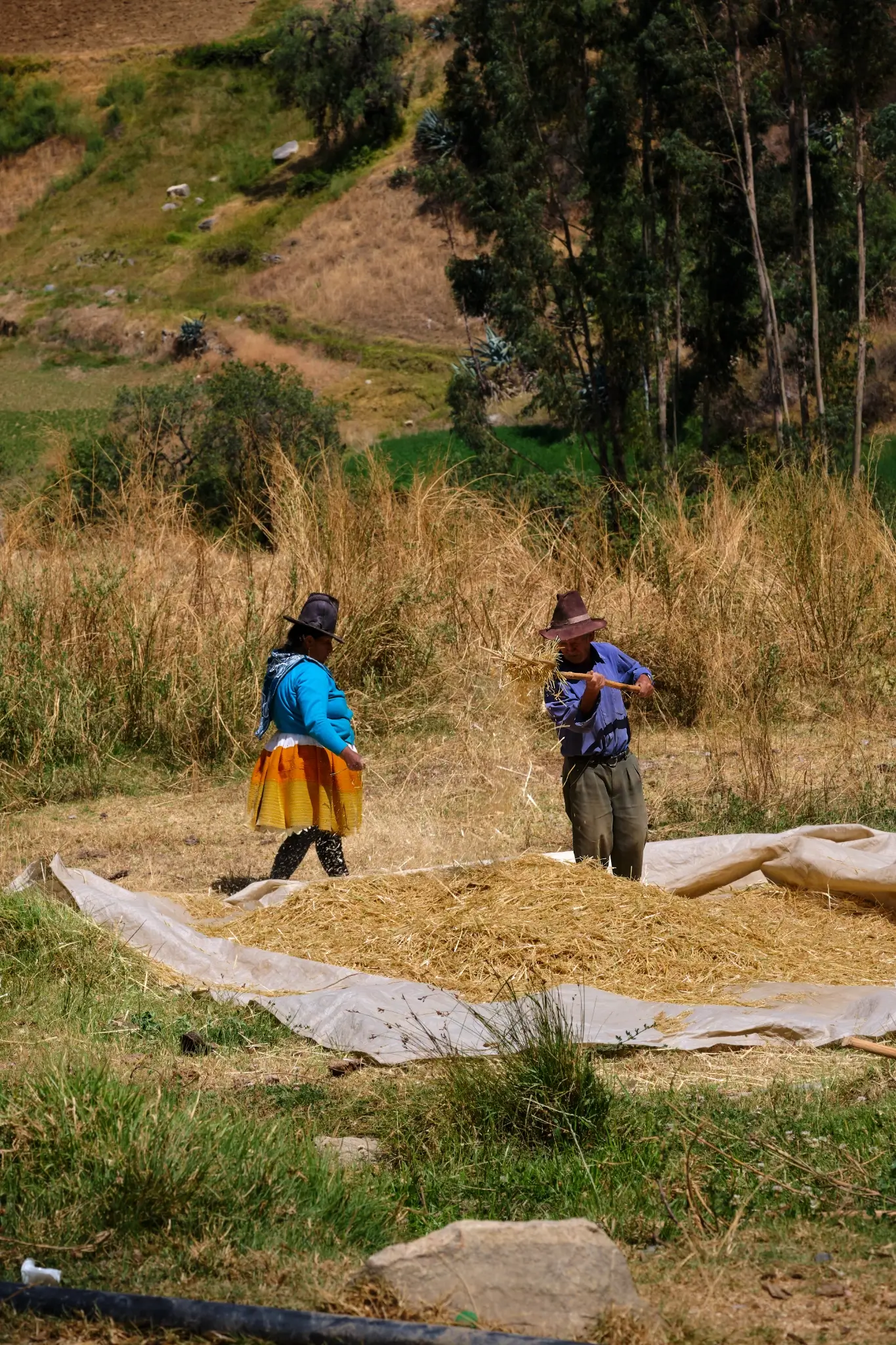
Then, in 1952, Hacienda Vicos became part of the Cornell-Peru Project7. Change began to take root on the valley’s terraced slopes: new farming techniques arrived, credit schemes were introduced to finance cultivation, and initiatives were launched to improve healthcare and education.
Production increased. A portion of the earnings was set aside and, ten years later, the Vicosinos8 bought the hacienda.
Those hands that for years had dug and sown for those who kept them in subjection could finally reap the fruits of their own labour.
A story of emancipation written beneath their fingernails.
But Áncash holds a memory that reaches back many centuries further than the story of Vicos.
This is the age of Chavín de Huántar.
When Rome had yet to be founded and Machu Picchu belonged to a distant future, a ceremonial centre already stood here, drawing pilgrims from faraway lands. A place of worship and encounter, where different peoples shared ritual practices and beliefs.
A kind of Mecca of the ancient Americas9.
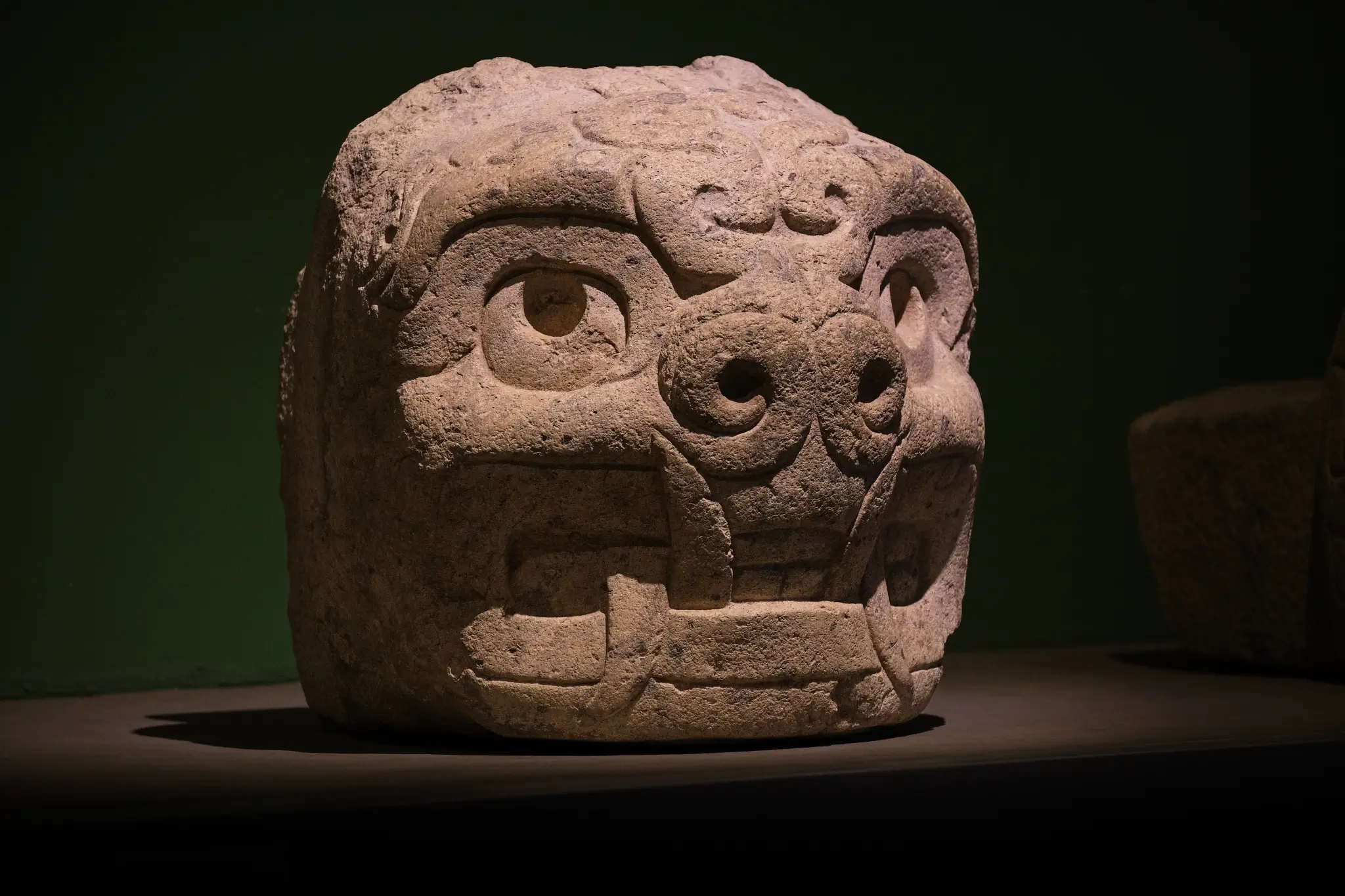
Monumental plazas, platforms, underground galleries and canals formed an imposing architectural complex, an expression of priestly knowledge that united technical expertise with a vision of the sacred.
In the darkness of the labyrinth, the roar of water, shafts of light and the ritual use of psychoactive substances fuelled mystical experiences10.
The history of Peru I knew through the name of the Incas reveals itself as only one part of a much longer story.
On the bus taking me back to Huaraz, Chavín recedes behind me. Through the window, beyond the dark silhouettes of the mountains, snow-covered peaks emerge, jagged against the sky.
The Andes reclaim my gaze. My thoughts are already racing towards the Cordillera Blanca, its turquoise lagoons, deep valleys and colossal glaciers.
For days, I will follow high-altitude trails, climbing towards mountain refuges, to where the thin air changes the rhythm of my breathing and brings even the most distant mountain faces into sharp relief, revealing every fold in the rock.
A world of white, blue and mineral hues.
A vertical world that seemed immense from afar. Up close, it will be even more so.
But this first story ends here. In Huaraz, with a bag of strawberries in my hands, the roar of mototaxis and traces of a past that continues to surface.
Huascarán, seen from the hotel terrace, was only the beginning.
The mountain has yet to reveal its most vertiginous face to me.
Take care and talk soon!
Versione italiana
La prima cosa che vedo al mattino non è Huaraz.
È l’Huascarán.
Dalla terrazza del Maimara Hotel, la montagna occupa l’orizzonte con una presenza che non ha bisogno di essere annunciata. È bianca, immensa, immobile. I suoi 6.768 metri ne fanno la cima più alta del Perù, ma davanti a quella massa il numero perde quasi significato.
Il giallo dell’ananas e l’arancio della papaya, la dolcezza delle fragole, il calore delle uova. E, oltre il tavolo, una parete di neve così possente da entrare nel gusto della colazione.
Una sola impressione: dolce e aspra, intima e smisurata.
La voce di Jaime, il proprietario dell’hotel, interrompe il mio stupore.
«È mostruoso», dice.
L’Huascarán abita le sue mattine, mentre prepara il cibo per gli ospiti; accompagna chi vive in queste vallate, domina il movimento convulso della città ai suoi piedi.
Il giorno irrompe nel rumore dei motori. I coloratissimi mototaxi spuntano dalle strade laterali, si incrociano, si sorpassano, si infilano acrobaticamente in spazi che sembrano troppo stretti. Il loro rombo si mescola ai clacson, alle voci, al brusio delle attività che cominciano a prendere vita.
Cammino tra donne avvolte nei colori delle Ande. Le polleras seguono il movimento dei passi, le trecce scure scendono sulle spalle, le llicllas sono strette intorno al corpo. I cappelli tradizionali incorniciano i volti, con tese rigide e coppe arrotondate.
Mani che scelgono, pesano, porgono. Gente che compra, vende, trasporta, aspetta.
Le ceste colme di frutta riversano nei miei occhi il giallo, l’arancio, il verde, il viola. Poi, il rosso. Quello lucente delle fragole raccolte nella lliclla di una signora, accovacciata sul marciapiede. Sembrano appena colte, ancora fresche di campo. Mi fermo. Ne compro un sacchetto.
Poco più in là, la delicatezza dei petali delle rose convive con la crudezza dei polli spennati e dei tagli di carne esposti sui banchi.
Attraverso l’incrocio, evitando di essere investita, e rasento un recinto improvvisato. Dentro, i cuy si muovono inquieti, piccoli corpi che si rincorrono e si accavallano, sballottati dal tumulto che li circonda.
Huaraz mi scorre intorno in un brulicare di tinte vibranti.
Sullo sfondo, il bianco abbagliante della Cordillera Blanca sovrasta quel fermento. La sua presenza campeggia nelle vetrine dei negozi, nelle fotografie di grandi cime, nelle corde arrotolate, nelle piccozze, nelle giacche tecniche. La montagna dissemina lungo le strade i segni di ciò che mi attende: i sentieri che salgono, la roccia, il freddo e il ghiaccio.
Lo stesso che dalle alte quote scende fino alla valle e riaffiora a Plaza de Armas. Un venditore lo raschia in sottili scaglie per preparare la raspadilla, addolcendolo con sciroppi alla frutta.
Il gelo si scioglie lentamente tra le mani, davanti all’ingresso del Museo Arqueológico de Áncash «Augusto Soriano Infante».
Ceramiche, tessuti, manufatti.
Tracce di culture che hanno abitato questa regione molto prima degli Inca.
Nel vicino Parque Lítico, monoliti e sculture sembrano riemergere dalla terra, come se il passato non avesse mai smesso davvero di appartenere al presente.
È il mio primo incontro con un Perù più antico di quello che sono venuta a cercare sui sentieri.
Ma c’è una storia che non è custodita nelle teche di un museo.
È scritta nei campi, tra i filari di patate.
Quella della comunità di Vicos.
Volti solcati dalla fatica, mani umide di fango e unghie nere di terra. Dorsi piegati dall’alba a conficcare zappe in un suolo che non potevano chiamare proprio.
Servi della gleba legati alla hacienda e al suo padrone. Il lavoro era imposto, la libertà negata. Si coltivava per obbedire e sopravvivere, con le viscere svuotate dalla fame e senza più nemmeno la forza di immaginare un futuro diverso.
Poi, nel 1952, la Hacienda Vicos entra nel Cornell-Peru Project. Il cambiamento comincia a farsi strada sui pendii terrazzati della valle: arrivano nuove tecniche agricole, si aprono forme di credito per finanziare le coltivazioni, si avviano interventi per migliorare la salute e l’istruzione.
La produzione aumenta. Una parte dei guadagni viene accantonata e, dieci anni dopo, i vicosinos acquistano la hacienda.
Quelle braccia che per anni avevano scavato e seminato per chi li teneva in soggezione potevano finalmente raccogliere i frutti del proprio sudore.
Una storia di emancipazione scritta sotto le unghie.
Ma Áncash custodisce una memoria che precede di molti secoli quella di Vicos.
È il tempo di Chavín de Huántar.
Quando Roma non era ancora stata fondata e Machu Picchu apparteneva a un futuro lontanissimo, qui sorgeva già un centro cerimoniale capace di richiamare pellegrini da terre remote. Un luogo di culto e d’incontro, dove popoli diversi condividevano pratiche rituali e credenze.
Una sorta di Mecca delle Americhe antiche.
Piazze monumentali, piattaforme, gallerie sotterranee e canali componevano un’architettura imponente, espressione di un sapere sacerdotale che univa conoscenze tecniche e visione del sacro.
Nel buio del labirinto, il fragore dell’acqua, i fasci di luce e l’uso rituale di sostanze psicotrope alimentavano esperienze mistiche.
La storia del Perù che conoscevo attraverso il nome degli Inca si rivela soltanto una parte di un racconto molto più lungo.
Sull’autobus che mi riporta a Huaraz, Chavín si allontana alle mie spalle. Dal finestrino, oltre i profili scuri delle montagne, emergono le cime innevate, aguzze contro il cielo.
Le Ande si riprendono lo sguardo. Il pensiero corre già alla Cordillera Blanca, alle lagune turchesi, alle vallate profonde, ai ghiacciai colossali.
Per giorni seguirò sentieri d’alta quota, salendo verso i rifugi, fin dove l’aria rarefatta cambia il ritmo del respiro e restituisce contorni netti anche alle pareti più lontane, rivelando ogni piega della roccia.
Un mondo bianco, azzurro e minerale.
Una terra verticale che, vista da lontano, sembrava immensa. Da vicino, lo sarà ancora di più.
Ma questo primo racconto finisce qui. A Huaraz, con un sacchetto di fragole tra le mani, il rombo dei mototaxi e le tracce di un passato che continua a riaffiorare.
L’Huascarán, contemplato dalla terrazza dell’hotel, era soltanto l’inizio.
La montagna deve ancora mostrarmi il suo volto più vertiginoso.
- Mototaxis: in Peru mototaxis are small motorised-three wheeled vehicles used for local passenger transport. ↩︎
- Polleras are traditional full skirts worn by women in many Andean communities. Their styles and decoration vary by region and community. ↩︎
- Lliclla: From Quechua lliklla: a lliclla is a traditionally woven women’s shoulder cloth or mantle, commonly worn across the shoulders and back. It can also be used to carry belongings. ↩︎
- Cuyes: Cuy is the Andean name for the guinea pig, traditionally raised as a source of food in parts of the Andes. ↩︎
- Raspadilla: a Peruvian shaved-ice dessert made by scraping ice into fine flakes and serving it with flavoured syrups or fruit juices. ↩︎
- A hacienda is a large rural estate, often historically associated in Latin America with concentrated landownership and a system of labour dependent on the estate’s owner. ↩︎
- Cornell University Library, “Guide to the Allan R. Holmberg Collection on Peru, circa 1946–1966”. The archive documents the project, the leasing of the hacienda in 1952, and the transfer of ownership to the community in 1962. It also describes the transition from serfdom to an autonomous community. Allan R. Holmberg collection on Peru ↩︎
- The term Vicosinos refers to the inhabitants of Vicos, an Andean community in Peru’s Áncash region. ↩︎
- UNESCO World Heritage Centre, “Chavin (Archaeological Site)”. UNESCO describes Chavín as an important ceremonial and pilgrimage centre, a place of religious and cultural convergence, and documents its plazas, terraces, internal galleries and complex drainage systems. Chavin (Archaeological Site) ↩︎
- “Pre-Hispanic ritual use of psychoactive plants at Chavìn de Huàntar, Peru”, a scientific study published in 2025 and indexed in PubMed. The study presents botanical and chemical evidence of the ritual use of psychoactive plants at Chàvin Pre-Hispanic ritual use of psychoactive plants at Chavín de Huántar, Peru ↩︎