
Good morning everyone! Happy Tuesday and welcome back to another appointment with My Travel Diary Chronicles. Before we dig into today’s destination, I want to send a big thank you to all those who read and support this newsletter. It means a lot and I’m grateful for all your love.
I also want to welcome the new friends who recently joined.
So, Tamara today is taking us to Seoul, the capital of South Korea. We will walk with her in this first glance at a magical city, full of tradition and meaning in every detail.
Enjoy!
The train glides away from the grassy mounds of Gyeongju and delivers me into the gleaming modernity of Seoul Station. The atmosphere is strikingly orderly. Women in suits and slippers, men with briefcases and distant gazes, advance in a rhythmic pace along the platforms. Despite its ten million inhabitants, the Korean capital moves like a disciplined organism, where respect for others’ space seems etched into the city’s genetic code.
I look for the bus to reach my hotel. At the reception desk, the kindness of the young woman wins me over. She asks for my documents: her hands, smooth and precise, take my passport as if it were a sacred object. She returns it with a ceremonial gesture—one hand beneath, the other to the side. Instinctively, I bow, hands together, in response to such reverence.
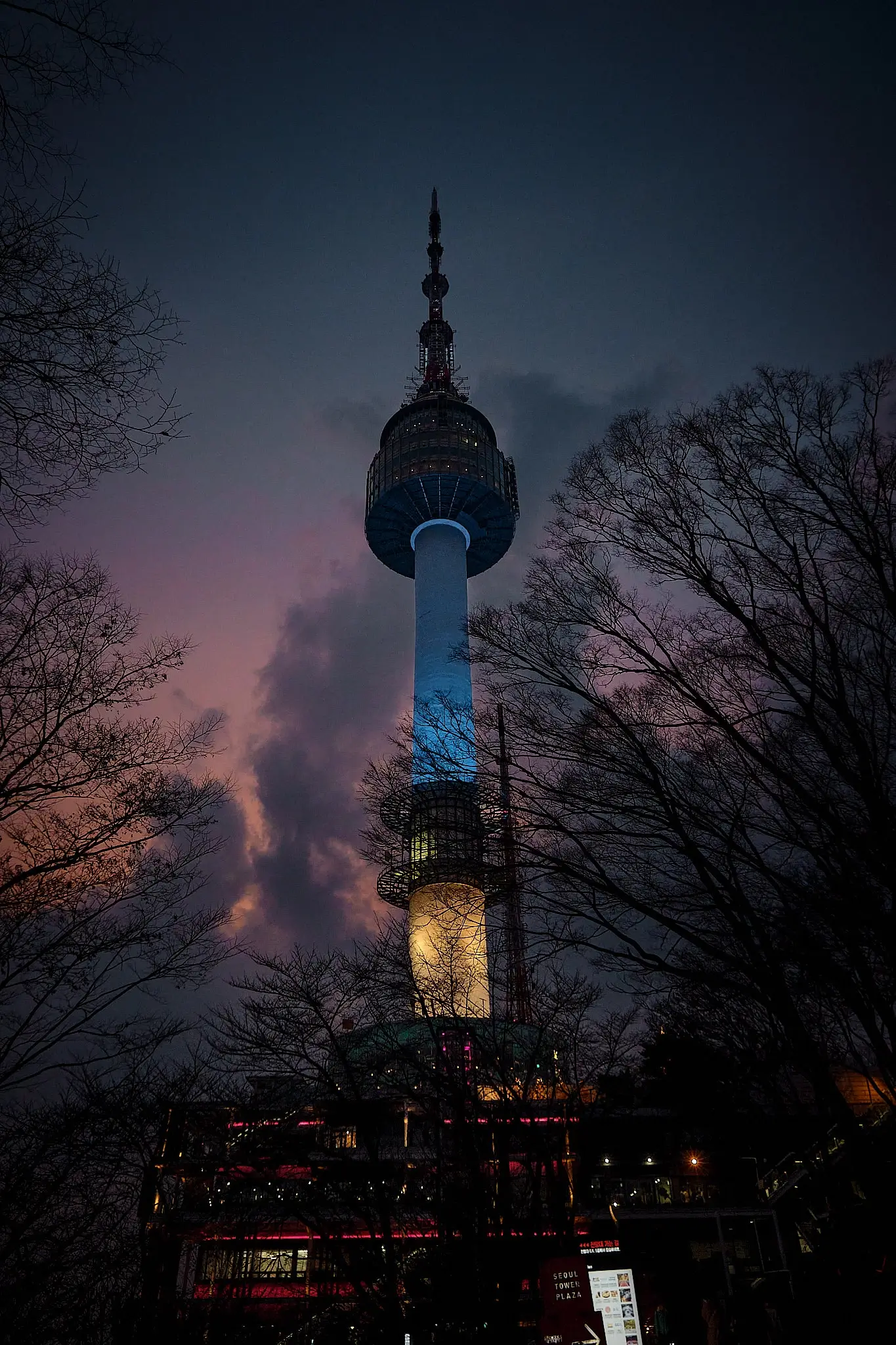
With her flawless eye makeup, she checks the Namsan Tower schedule on the monitor and offers directions with a disarming smile. Not long after, I climb Mount Namsan, where the tower has stood like an urban lighthouse since 1969. In the haze, the city lights begin to flicker on, one by one, as if Seoul were catching its breath.
Descending, I lose myself in the maze of Namdaemun Market. Among skewers of boiled fish cake (odeng), golden jeon pancakes1, and the pungent aroma of fried kimchi2 clinging to my clothes, I have dinner there, standing up, surrounded by smiles and chatter I don’t understand, but recognize as kind. In Korean, this feeling is called jeong: a deep sense of affection and human warmth that unites even strangers.

The next morning rises under shades of jade and cinnabar red: Changdeokgung Palace looks more painted than built. Its perfect geometries slowly emerge in the golden light of dawn, in a play of symmetry that reflects an ancient philosophy.
I move through the silent echoes of the Joseon dynasty, trying to grasp the principles of pungsu-jiri—the Korean version of feng shui—that guided the location and construction of this place. Above me, wooden beams reveal themselves as works of art: hand-painted geometric and floral patterns chasing each other rhythmically across time-darkened wood, ennobled by reverence.
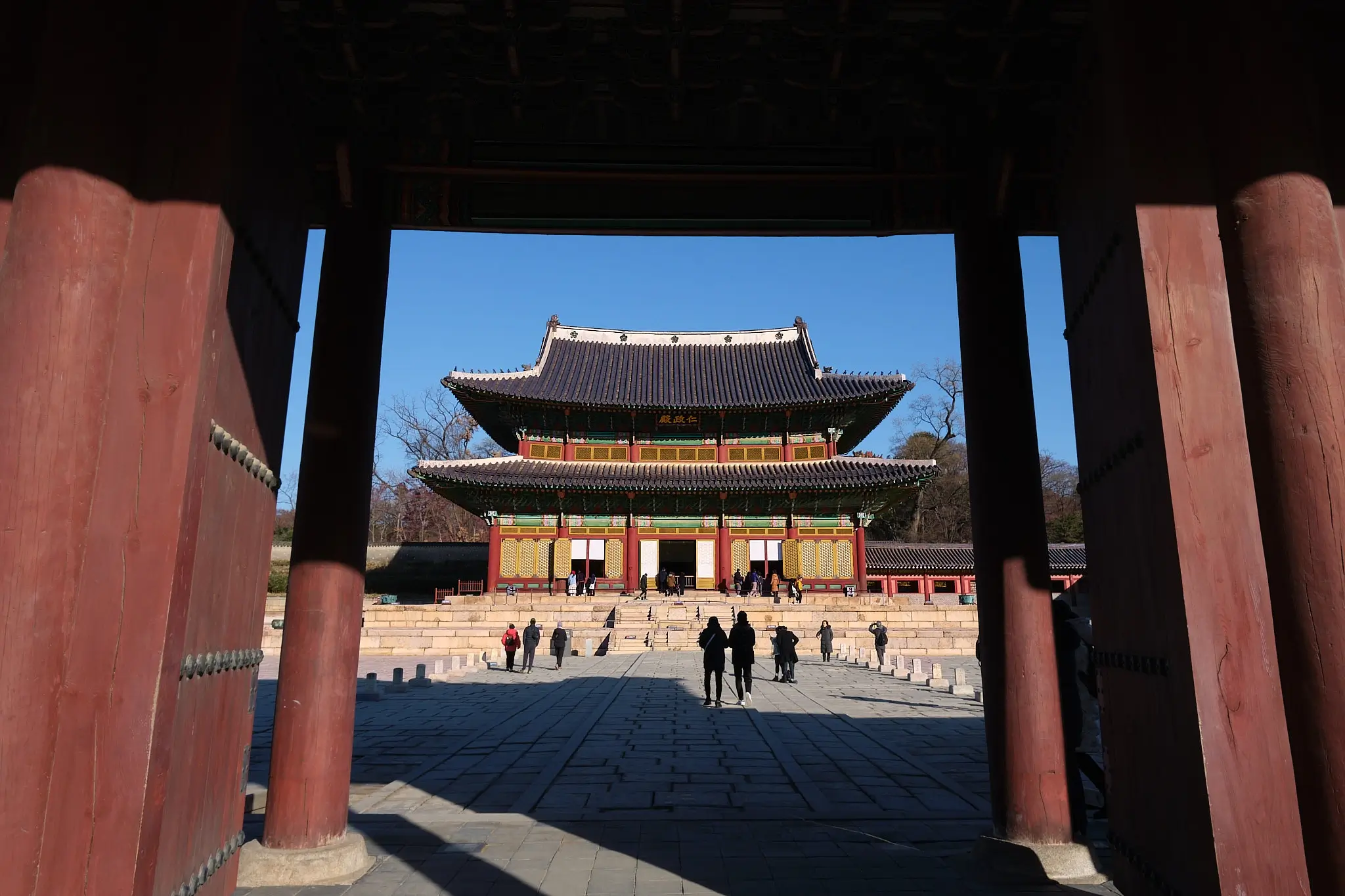
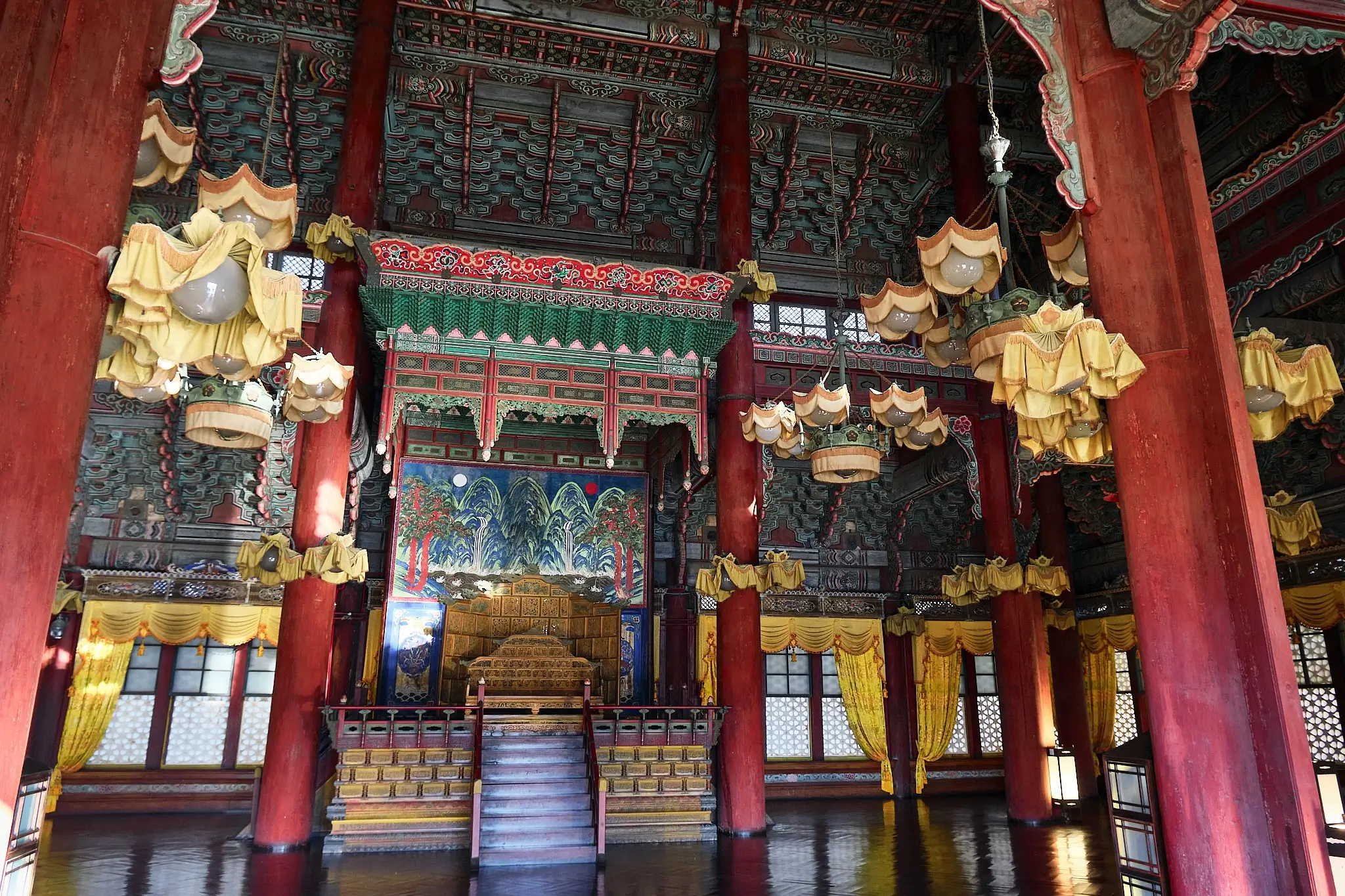
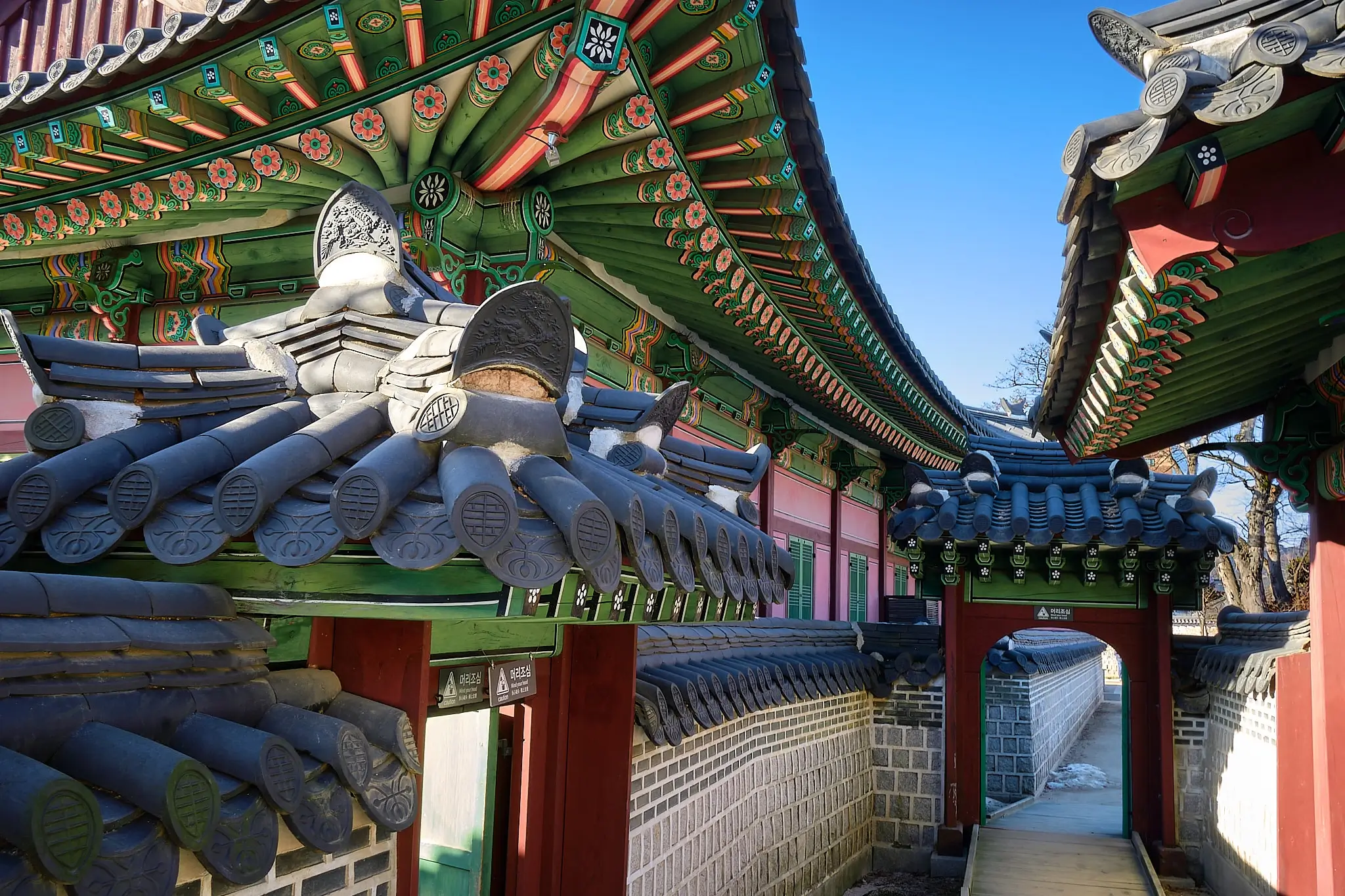
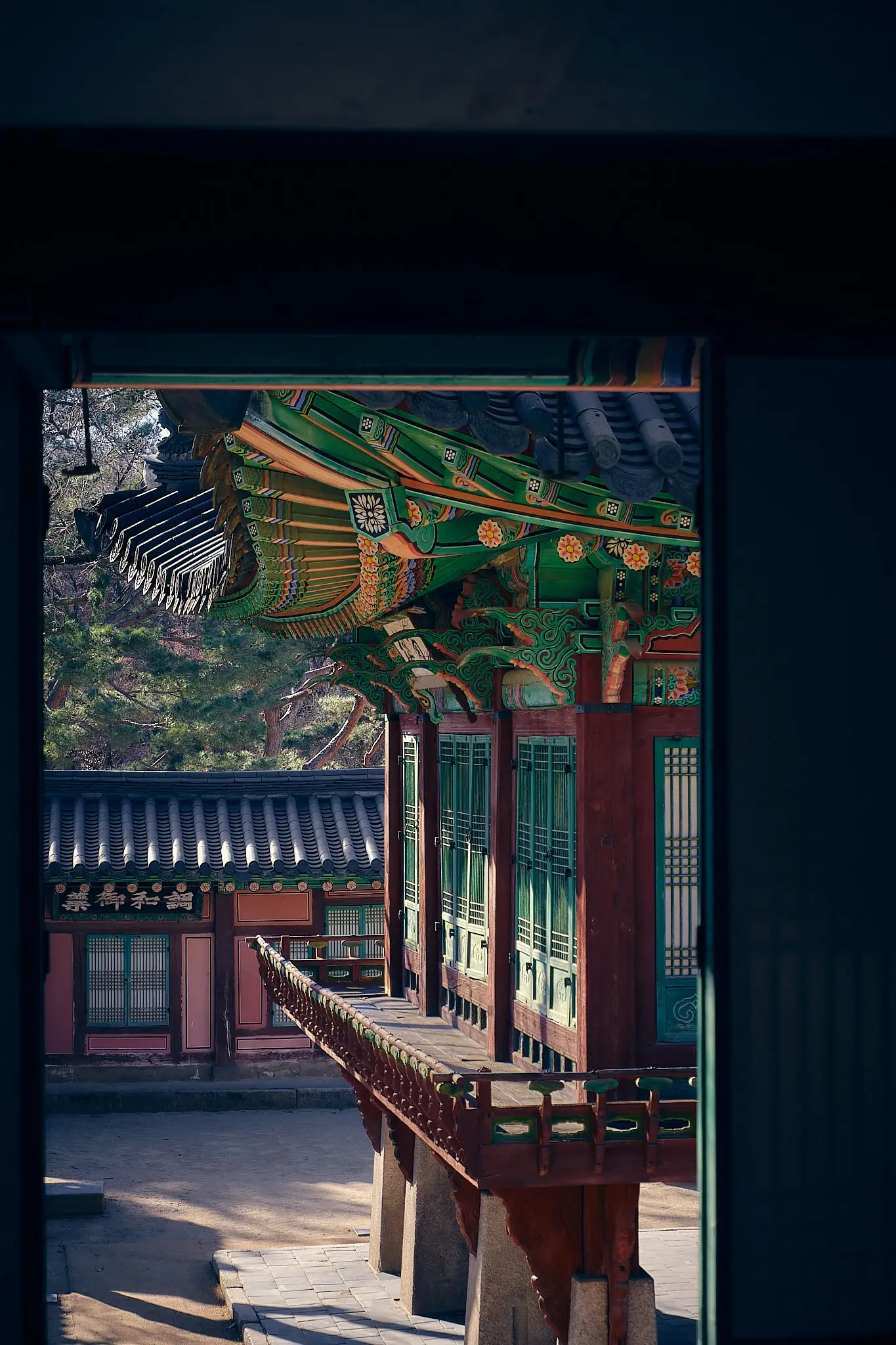
Confucianism takes shape in the proportions: stone courtyards and rooms arranged to inspire balance and contemplation. These spaces suggest a way of living more than just a way of dwelling.
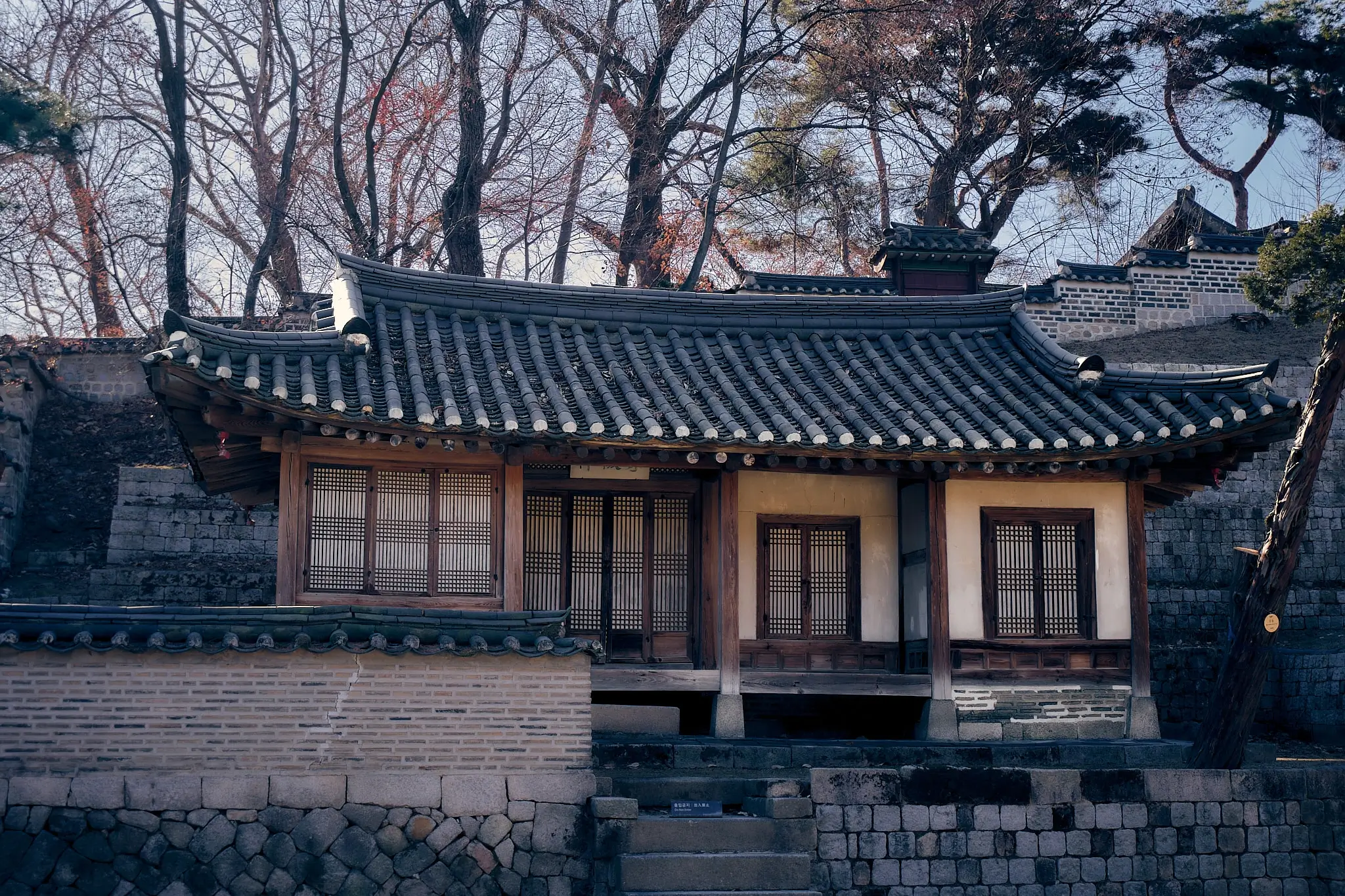
But it is in the Huwon, the Secret Garden, where thought begins to slow. A hidden oasis, built not to impress but to reconnect with oneself, where the king could retreat from court duties and find peace. The pavilions lie gently upon the landscape as if they had bloomed there. Some were dedicated to study, others to tea or music. Nothing was superfluous; everything had a place and a meaning.


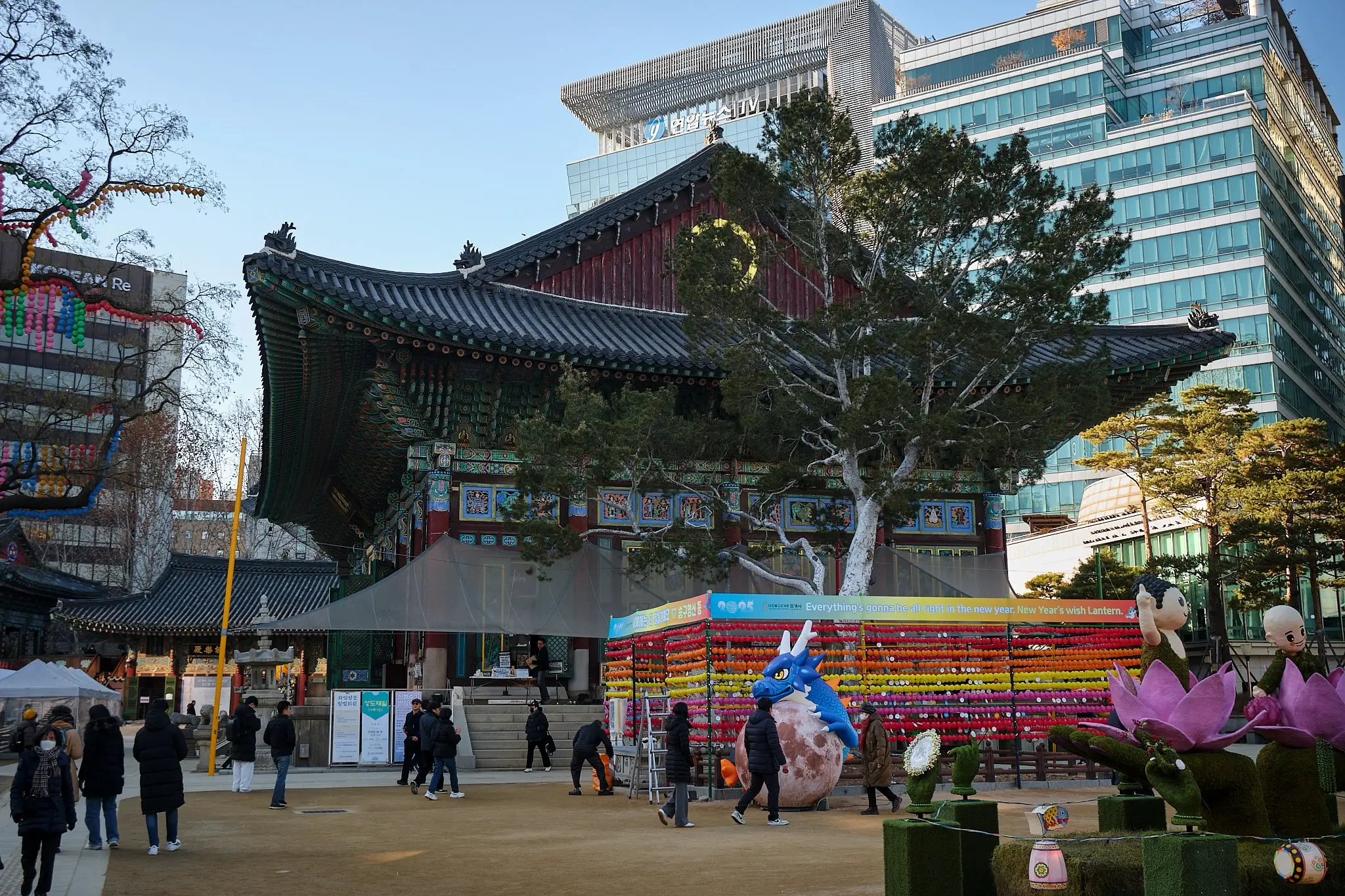
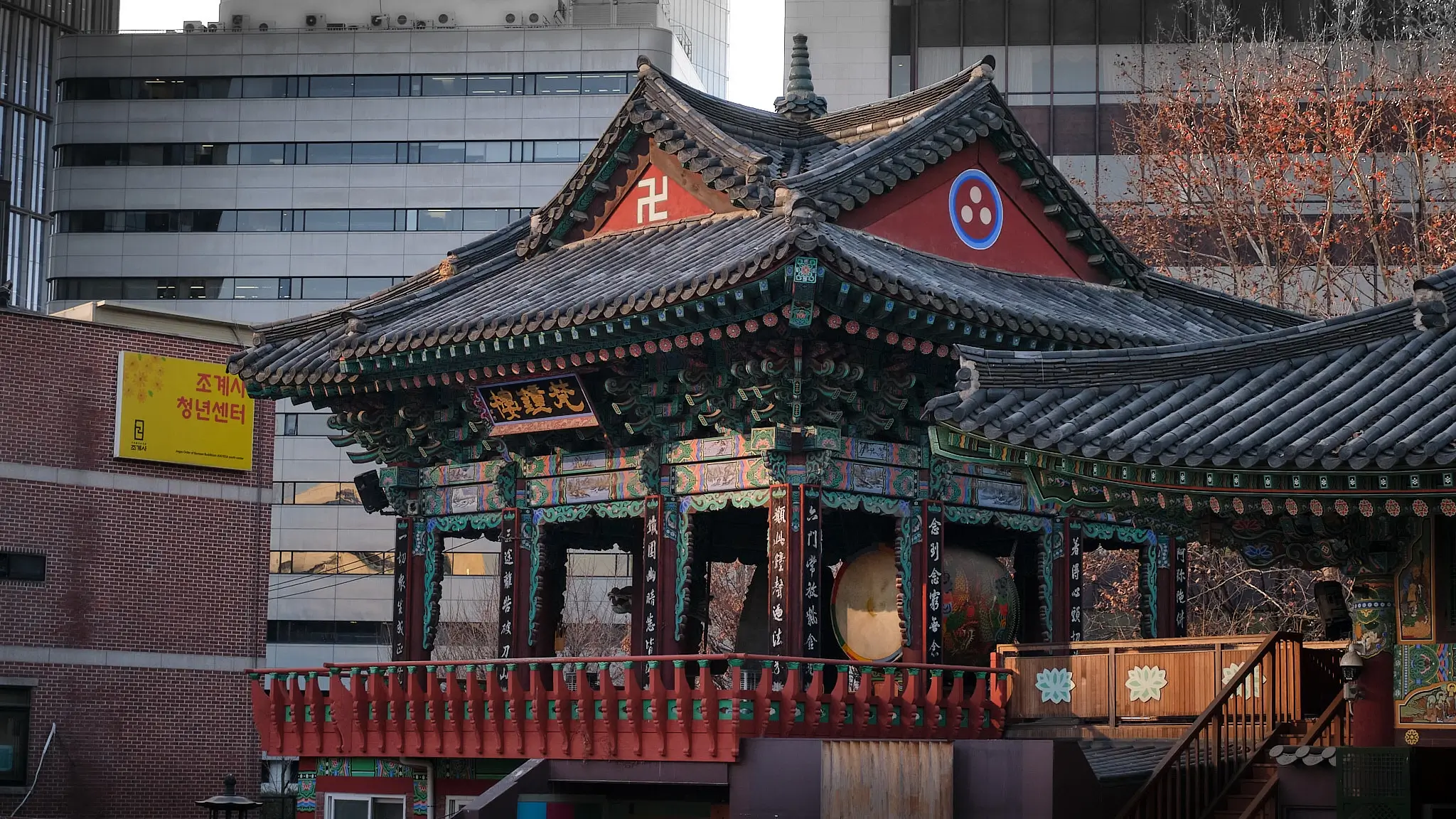
Not far away, at Jogyesa Temple—the heart of Korean Zen Buddhism—colors explode. Lanterns sway lightly among centuries-old trees. Worshippers light incense sticks and candles in silent prayer, while monks recite sutras3 in deep, rhythmic tones. Founded in the 14th century, Jogyesa is now the center of Seon—the Korean school of meditative Buddhism—and each May it hosts the Lantern Festival to celebrate Buddha’s birth: a burst of light and devotion that spills into the surrounding streets.
Outside, the city pokes fun at itself with the kind of irony that lightens the weight of perfection: I stop at a street stall selling poop-shaped cookies, actually filled with sweet red bean paste. This is Seoul’s playful side—pop culture and childlike tenderness seamlessly mingling with austere spirituality, without contradiction.
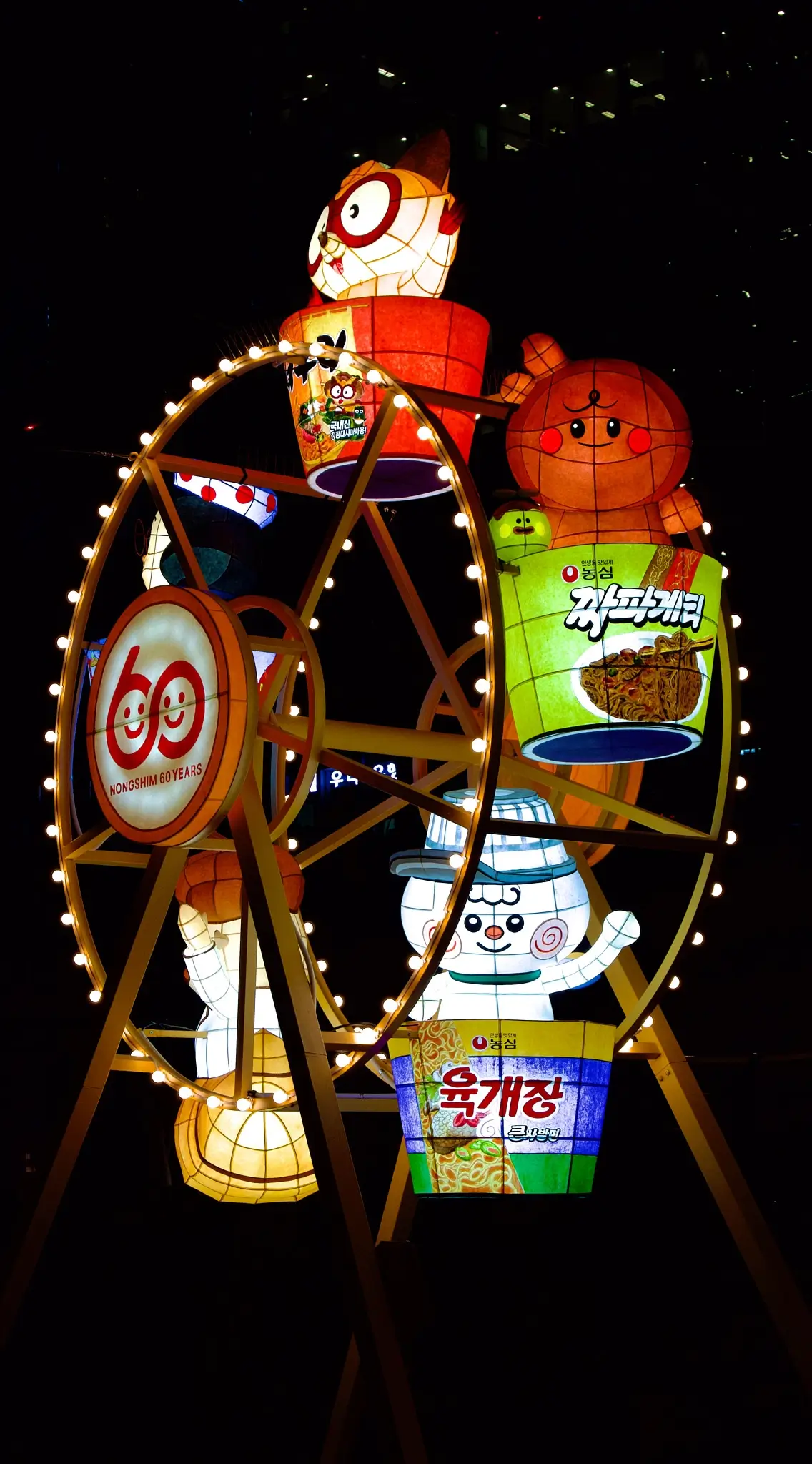
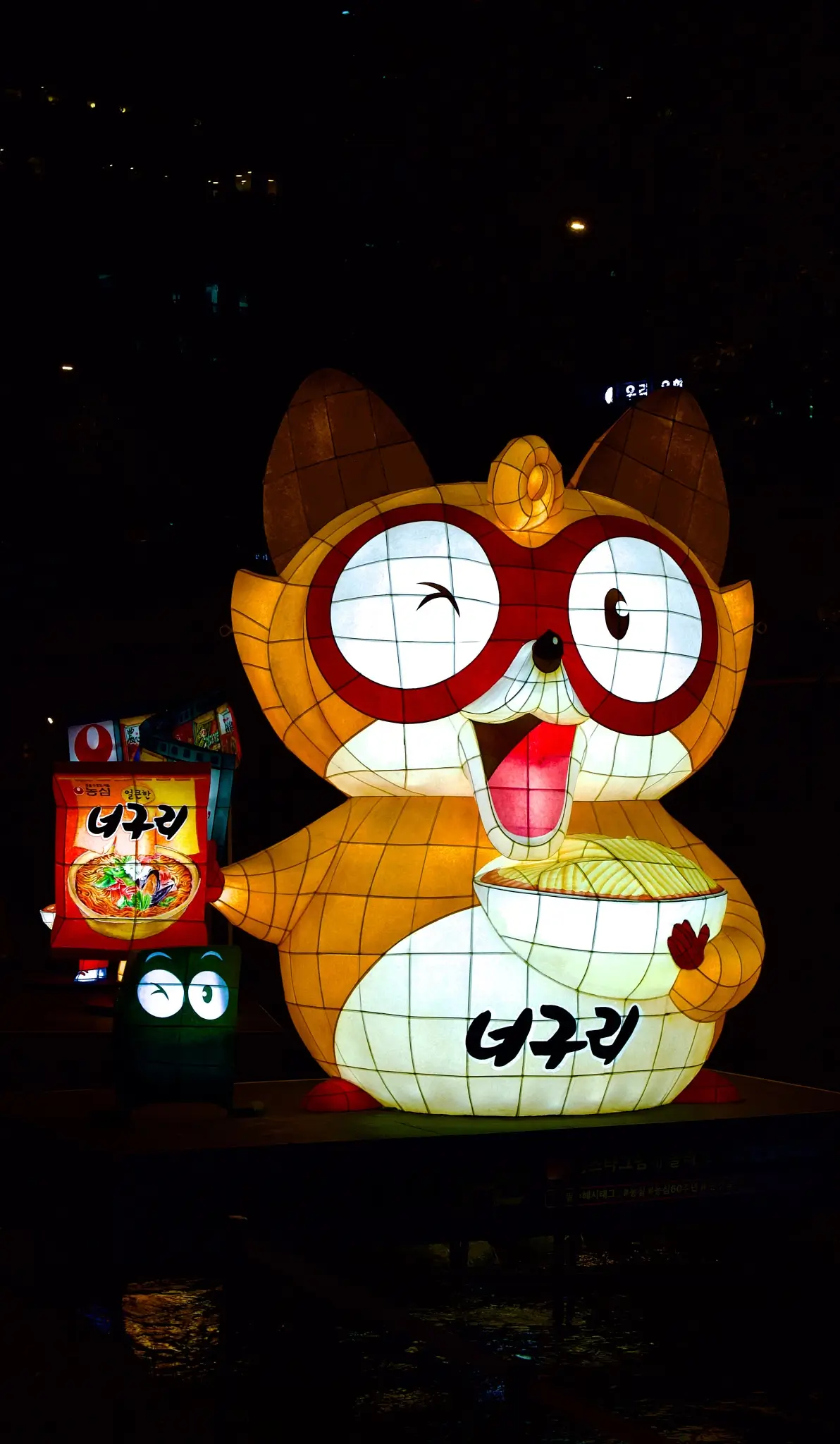
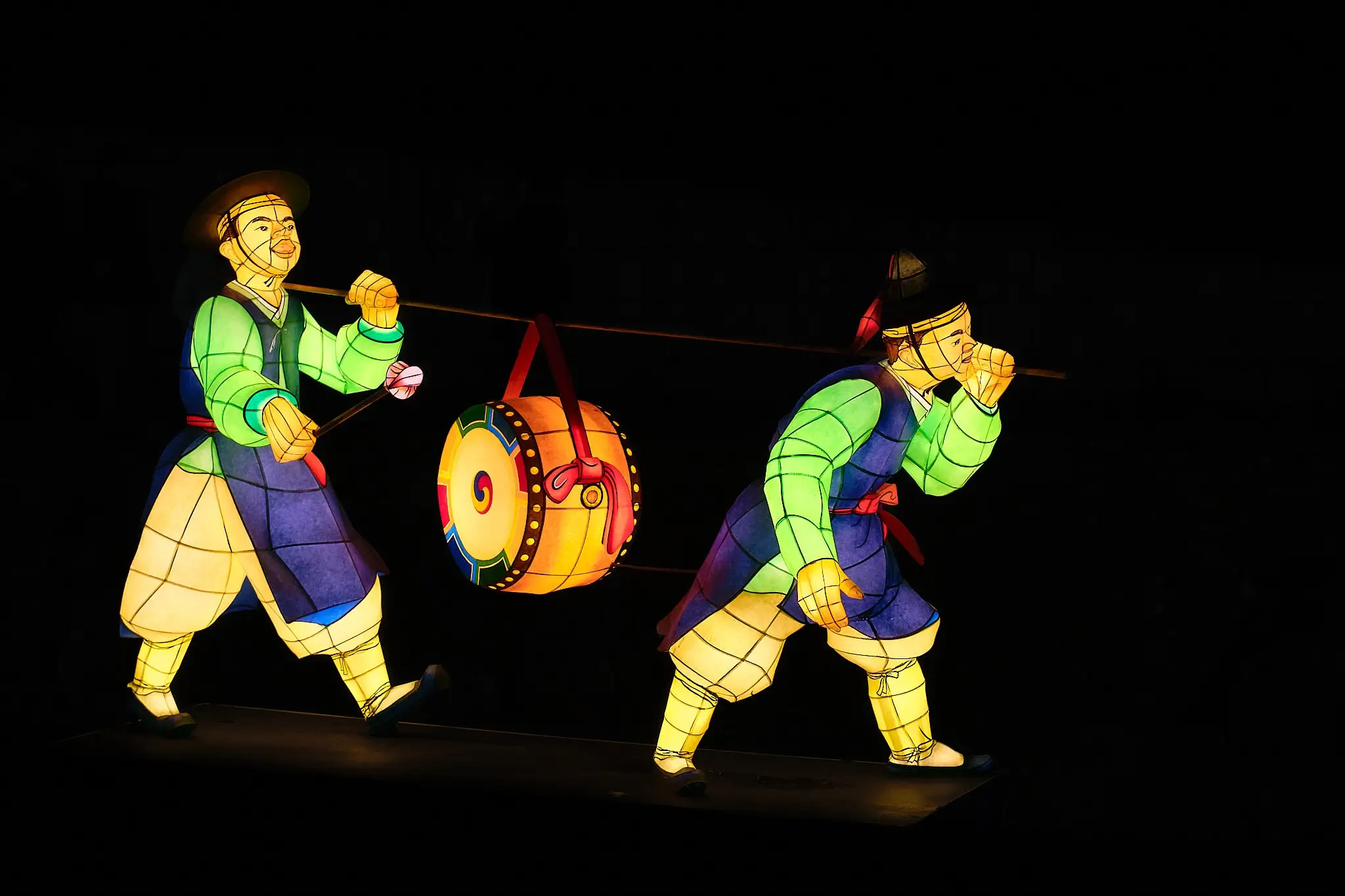
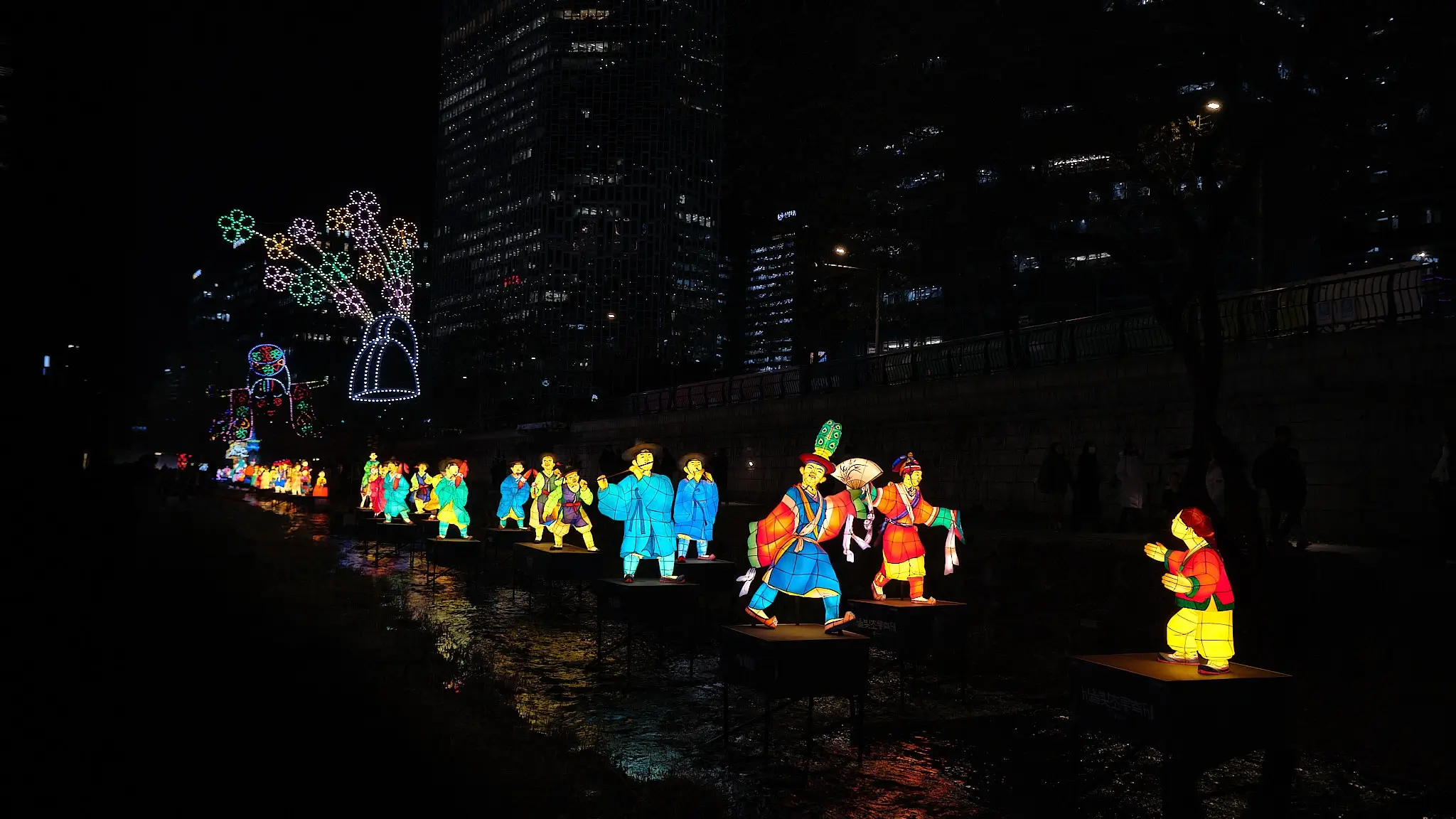
I stroll along the Cheonggyecheon, the urban stream brought back to light after decades underground. Until the 1970s, it was a forgotten canal, buried beneath elevated highways. Today, it’s a symbol of Seoul’s sustainable rebirth: a rediscovered river, as if the city’s soul itself had finally resumed its flow. This time of year, artist-designed lanterns line the stream—mythical creatures, dragons, historical figures. The water flows beside me, lit by LED images, while my thoughts dissolve into this Eastern fairytale.
Take care and talk soon!
1 Jeon (전) are Korean pancakes, similar to omelets, made with a batter of flour and eggs, then pan-fried. They can be prepared with a variety of ingredients such as vegetables, meat, fish, or kimchi.
2 If there is one food that truly represents the essence of South Korea, it is undoubtedly kimchi. This traditional Korean dish consists mainly of fermented vegetables, seasoned with chili pepper, garlic, ginger, and other spices. This fermented specialty is a staple of every Korean meal.
3 Sutras are foundational texts in Buddhism that offer a path to understanding reality and attaining liberation, through the teachings and experiences of enlightened masters.