
Happy Tuesday my friend! Thank you for following my weekly journey. Your support means the world. Every month we explore places where history and beauty meet. Today we stop in Tivoli, at Villa Gregoriana, a site where nature and memory flow together. Here’s the story with Tamara’s words.
Enjoy!
There is a place, just a few kilometers from Rome, where time does not flow: it dissolves.
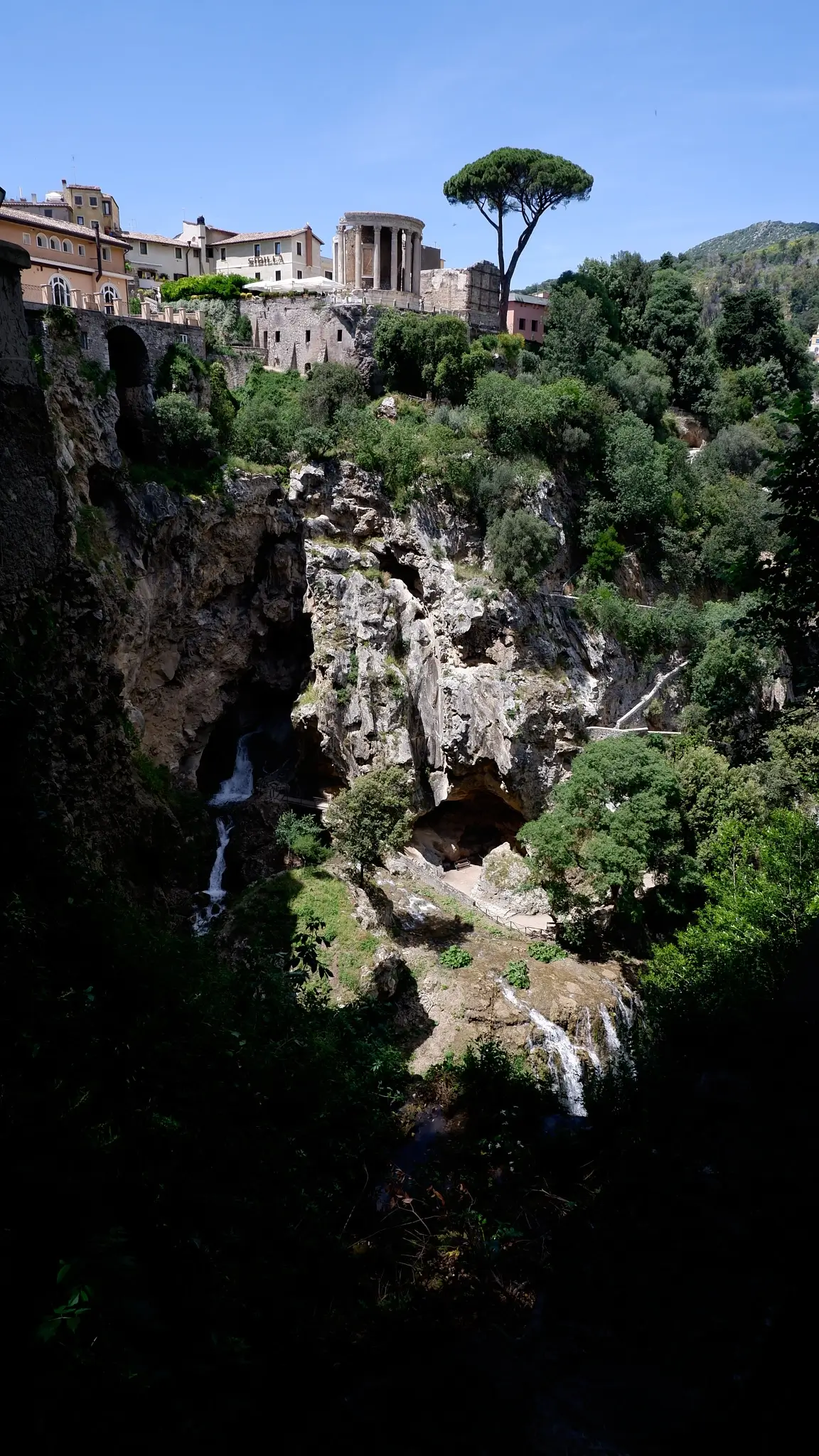
Where the voices of history blend with the roar of a waterfall—the Aniene, the restless and solemn river that winds through the gorges of Tivoli like an ancient god: fascinating, yet feared. Its waters, both generous and destructive, have carved the city’s face for centuries, shaping its very soul.
Walking along the rock-hewn paths of Villa Gregoriana, I feel like a privileged spectator of an age-old dialogue between nature and civilization.
Each step reveals a buried page, a distant echo.
I imagine the panic of that year, 1826, when the Aniene—in one of its fiercest floods—smashed doors, swept away homes, carried off memories and hopes.
The waters rose swiftly, creeping beneath the temples of Vesta and the Sibyl, powerless against such primordial fury.
And yet, that river was also pure beauty.
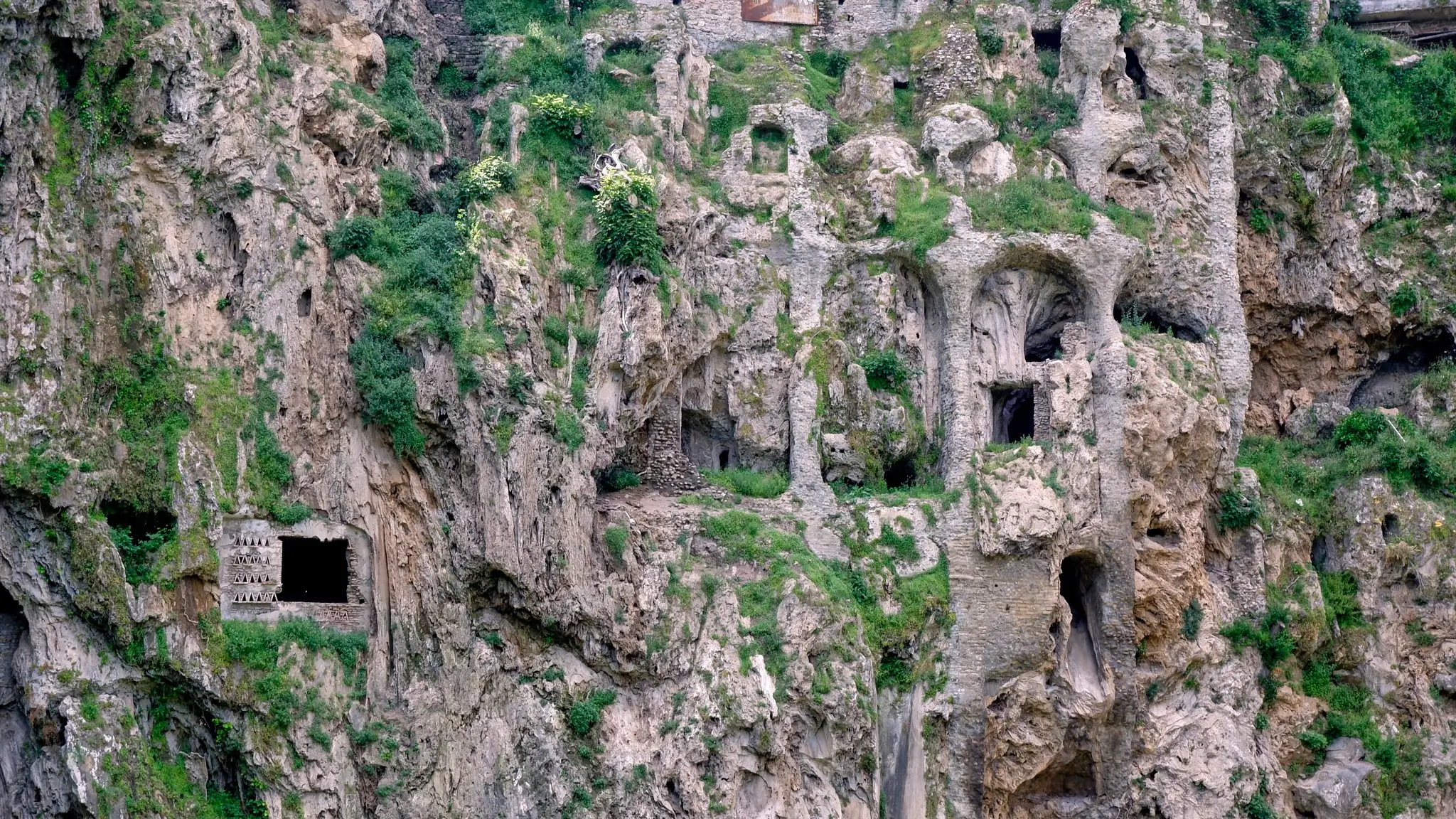
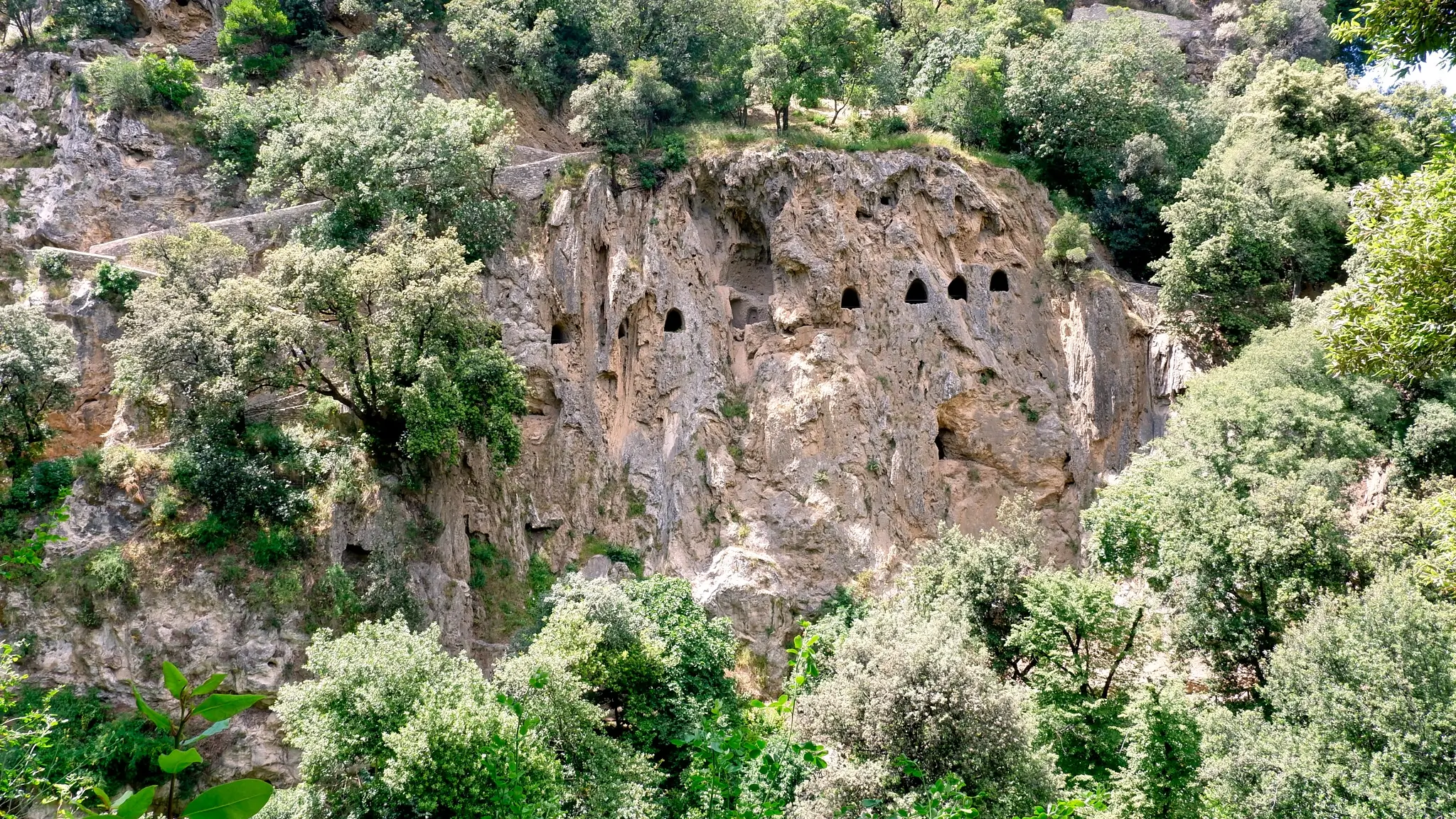
Goethe, in his Italian Journey (1828), wrote that Tivoli was “one of the most sublime visions of nature”: dizzying waterfalls, ruins clinging to the rock, temples defying the void, embraced by rebellious vegetation.
It is no wonder it became a mandatory stop on the Grand Tour, the initiation journey taken by European aristocrats in search of knowledge, harmony, and aesthetic vertigo.
From destruction, however, arose a vision.
In 1832, Pope Gregory XVI responded to the calamity with one of the most daring feats of the 19th century. He entrusted engineer Clemente Folchi with the excavation of two tunnels through the heart of Mount Catillo, diverting the river’s course and creating a spectacular waterfall.
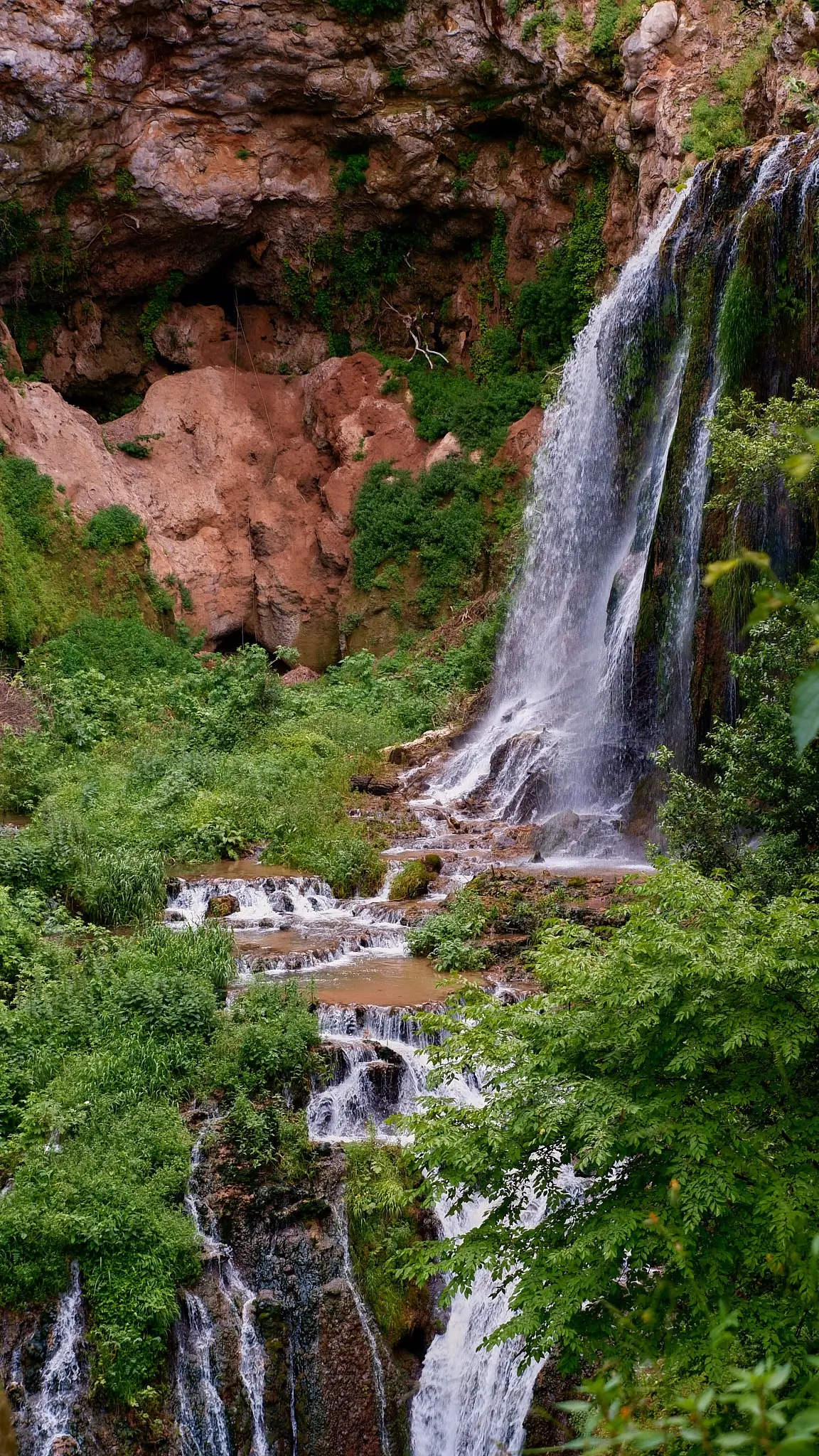
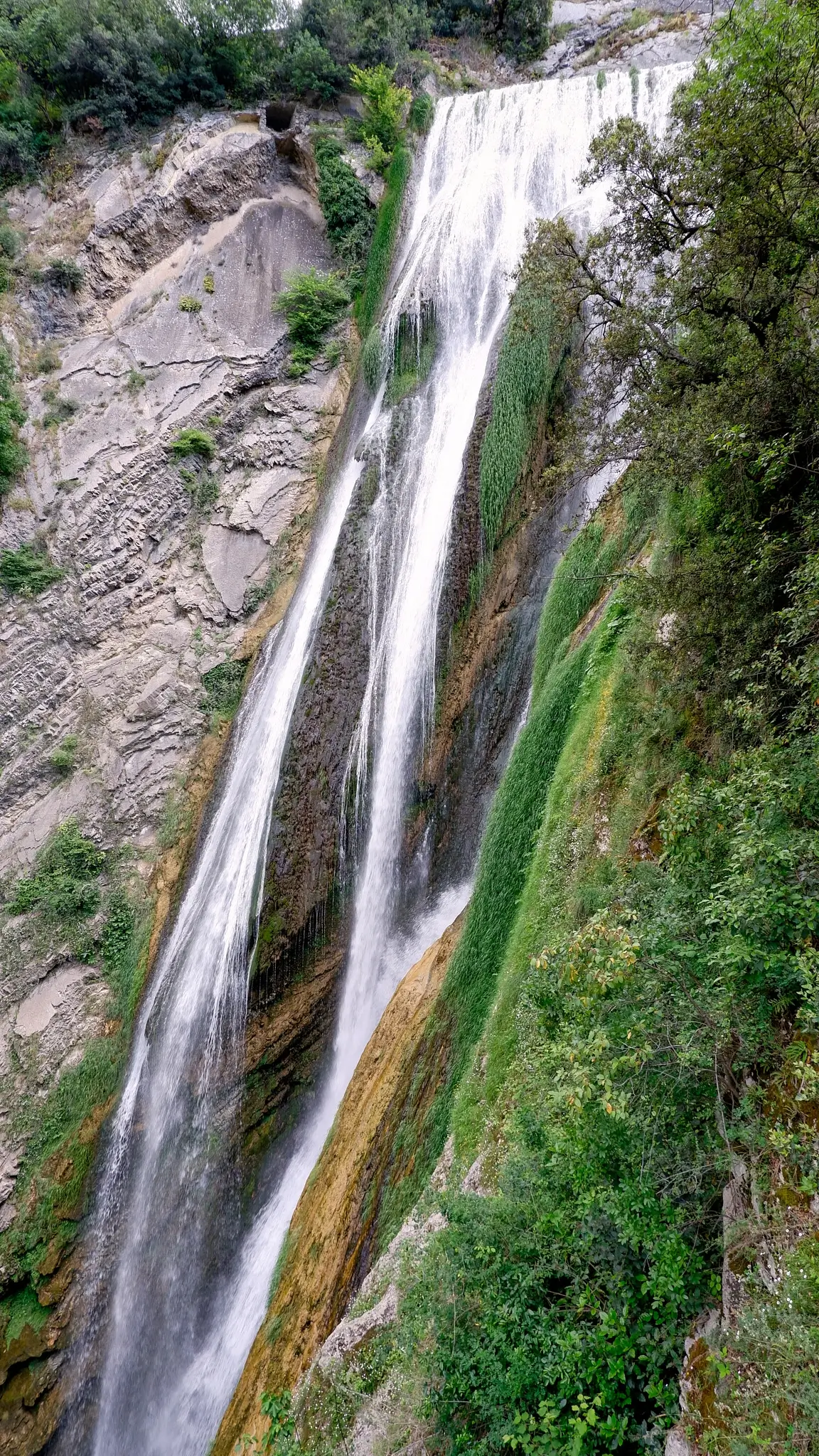
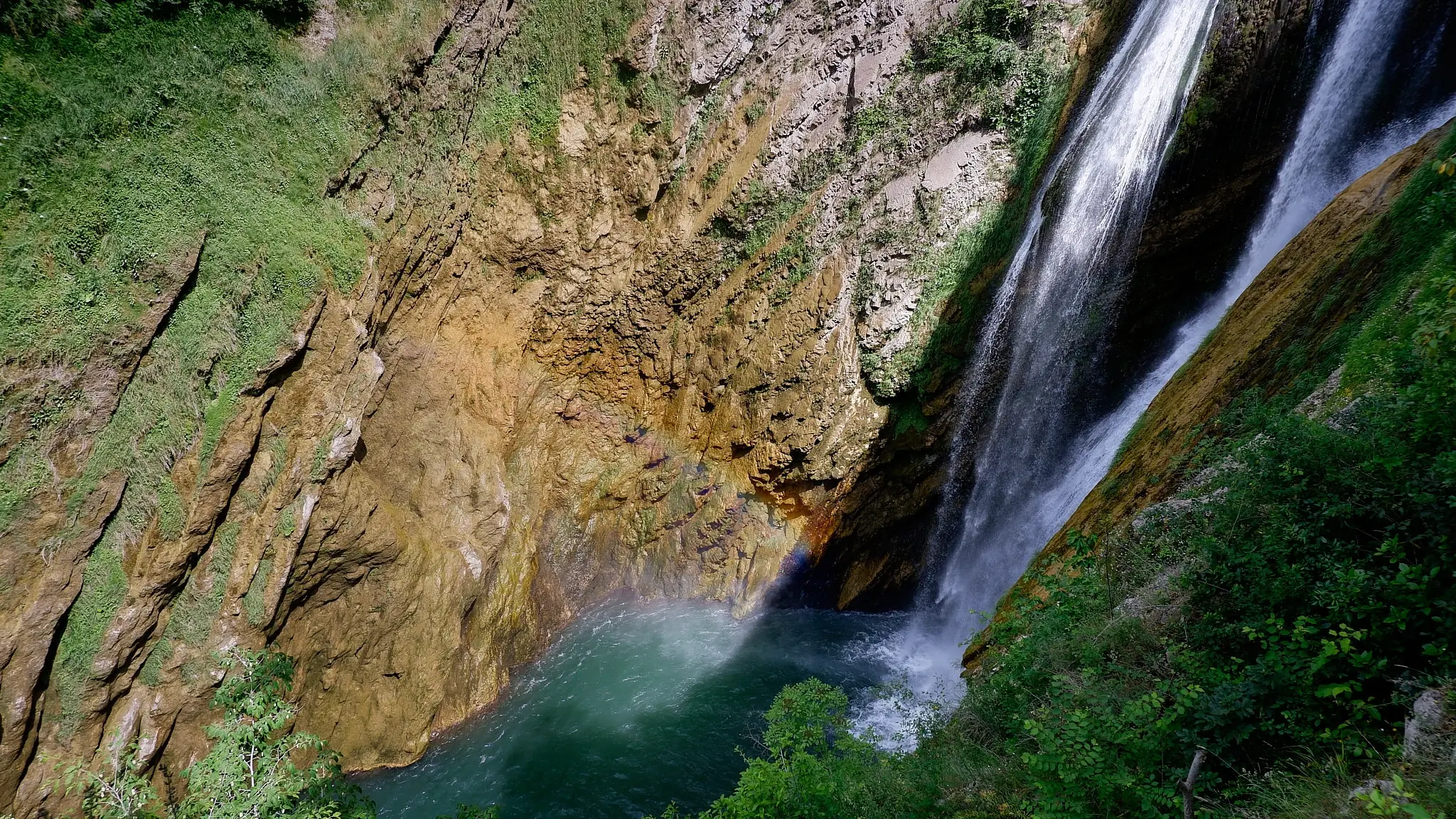
Thus was born Villa Gregoriana—not a villa in the classical sense, but a romantic, untamed garden designed to enchant the eye and seduce the soul.
Along the shadowy, damp switchbacks, amidst the mist rising from the gorge below, I move as if suspended in time.
The rock seeps history.
The air smells of moss and memory.
Among ferns, roots, and silent droplets sliding down the stone, every corner feels orchestrated to astonish.
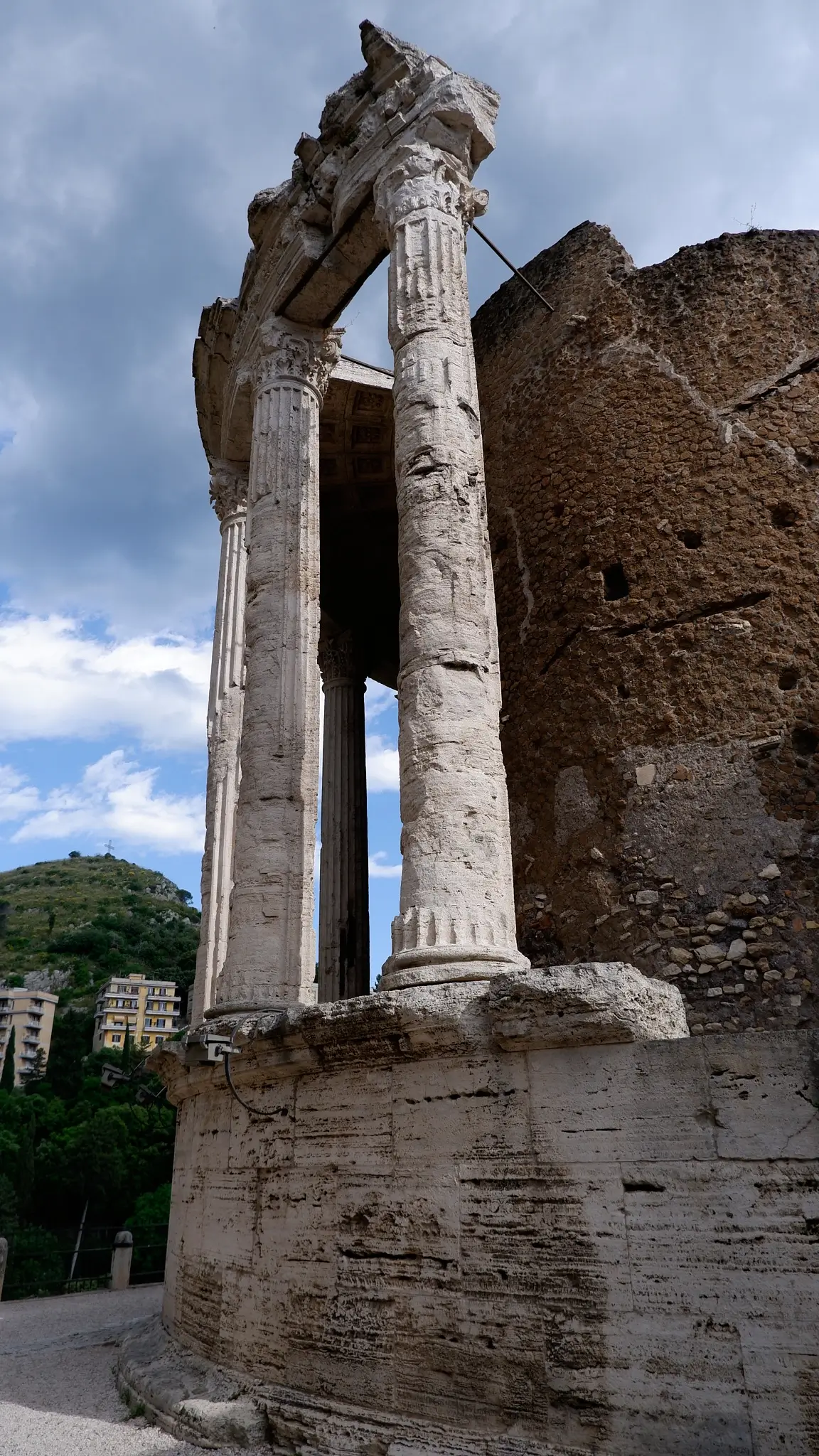
At the heart of the park I encounter the ruins of the Villa of Manlius Vopiscus, an ancient Roman residence overlooking one of the site’s most breathtaking views.
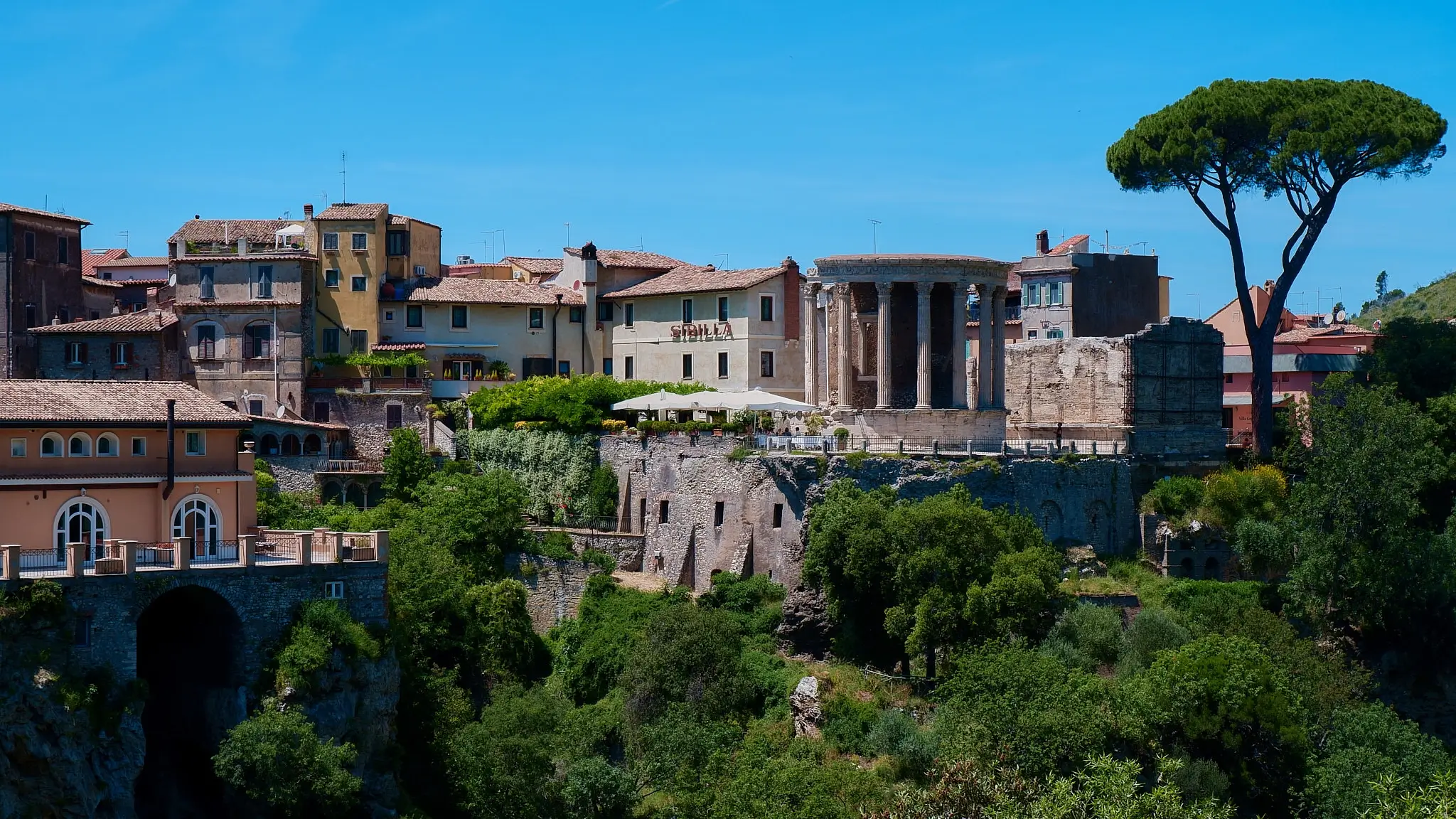
From here, I like to imagine Roman patricians sipping wine among colonnades and gardens, immersed in the cult of otium—that refined form of contemplative leisure that fused nature, art, and thought.
The rustle of leaves and the thunder of the waterfall were then, as now, part of the soundtrack of a life devoted to beauty.
As I wander among the ruins, I think of the great figures who lingered here.
Stendhal spoke of “a natural ecstasy.”
Franz Liszt, spellbound by the landscape, translated Tivoli into music.
William Turner immortalized it in his sketches, noting that he had found “the light of myth.”
To walk where they once walked is like leafing through a shared emotional geography.
Today, Villa Gregoriana stands as a harmonious hymn to the power of nature and the ingenuity of humankind.
Thanks to the tireless work of FAI—the Italian Environmental Fund—which has restored it to life, we can still lose ourselves among its caves, its waterfalls, its whispers of stone and leaves.
In Tivoli, the river has not been tamed.
It has been elevated to poetry.
And I, for a day, walked its verses.
Take care and talk soon!